
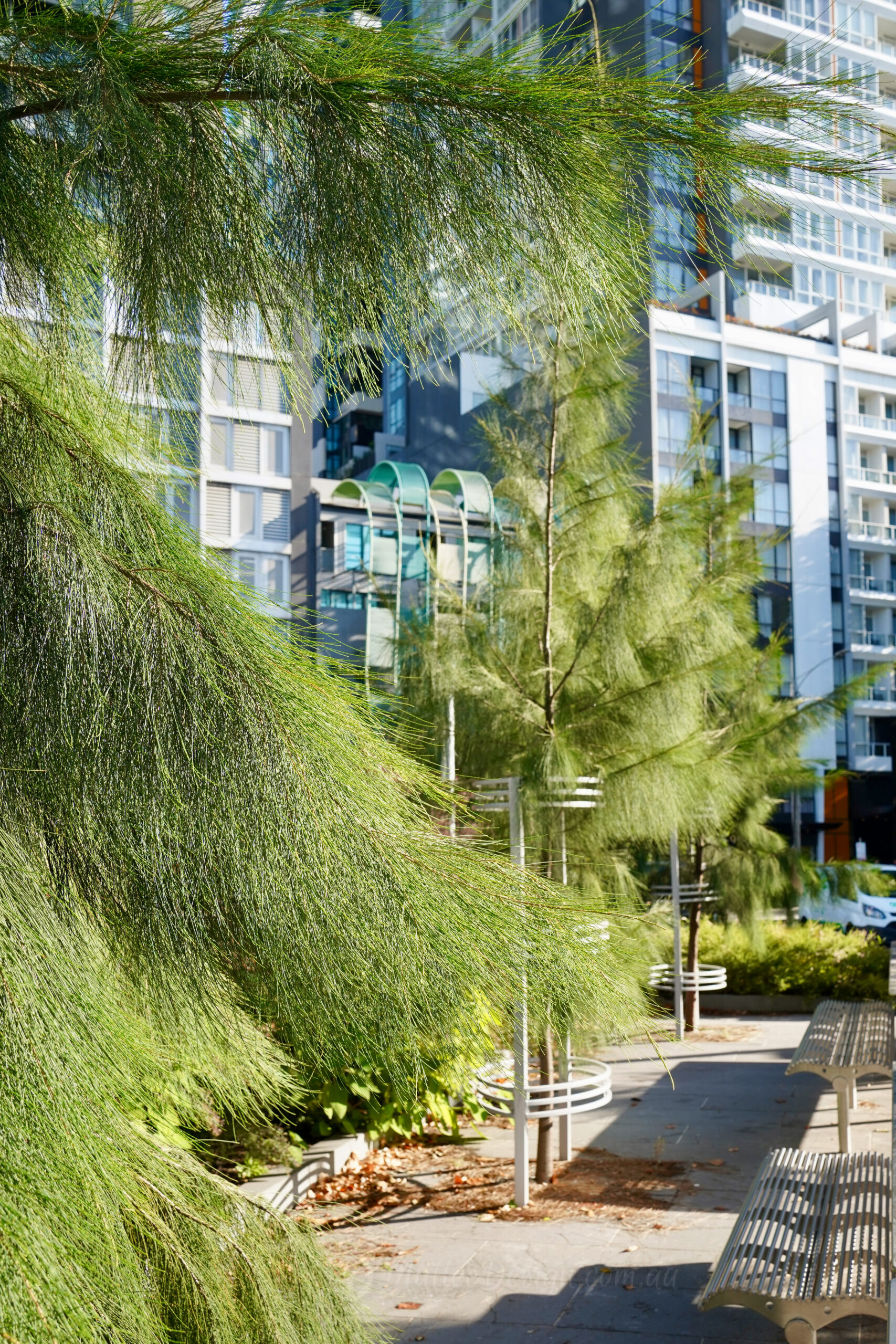
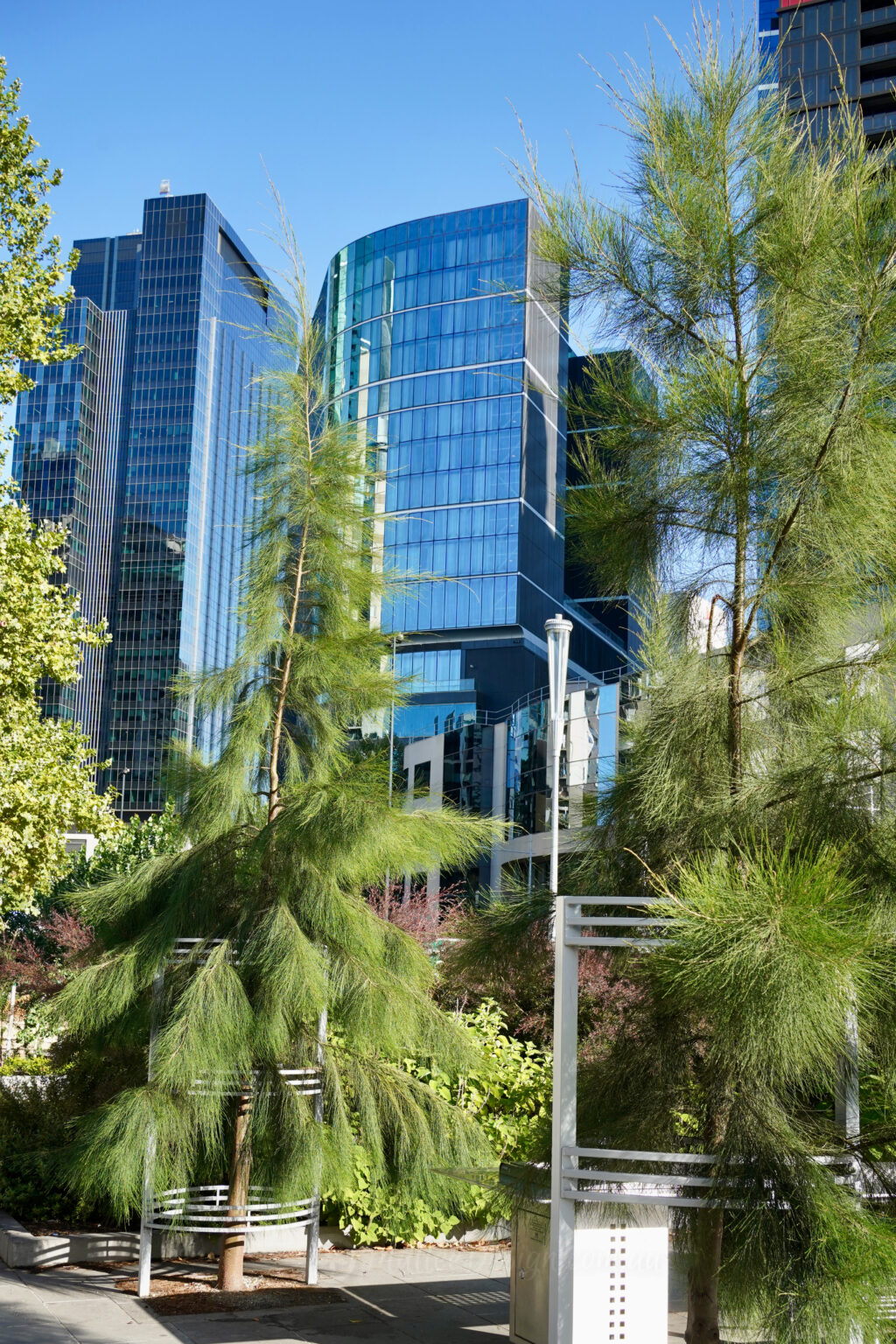
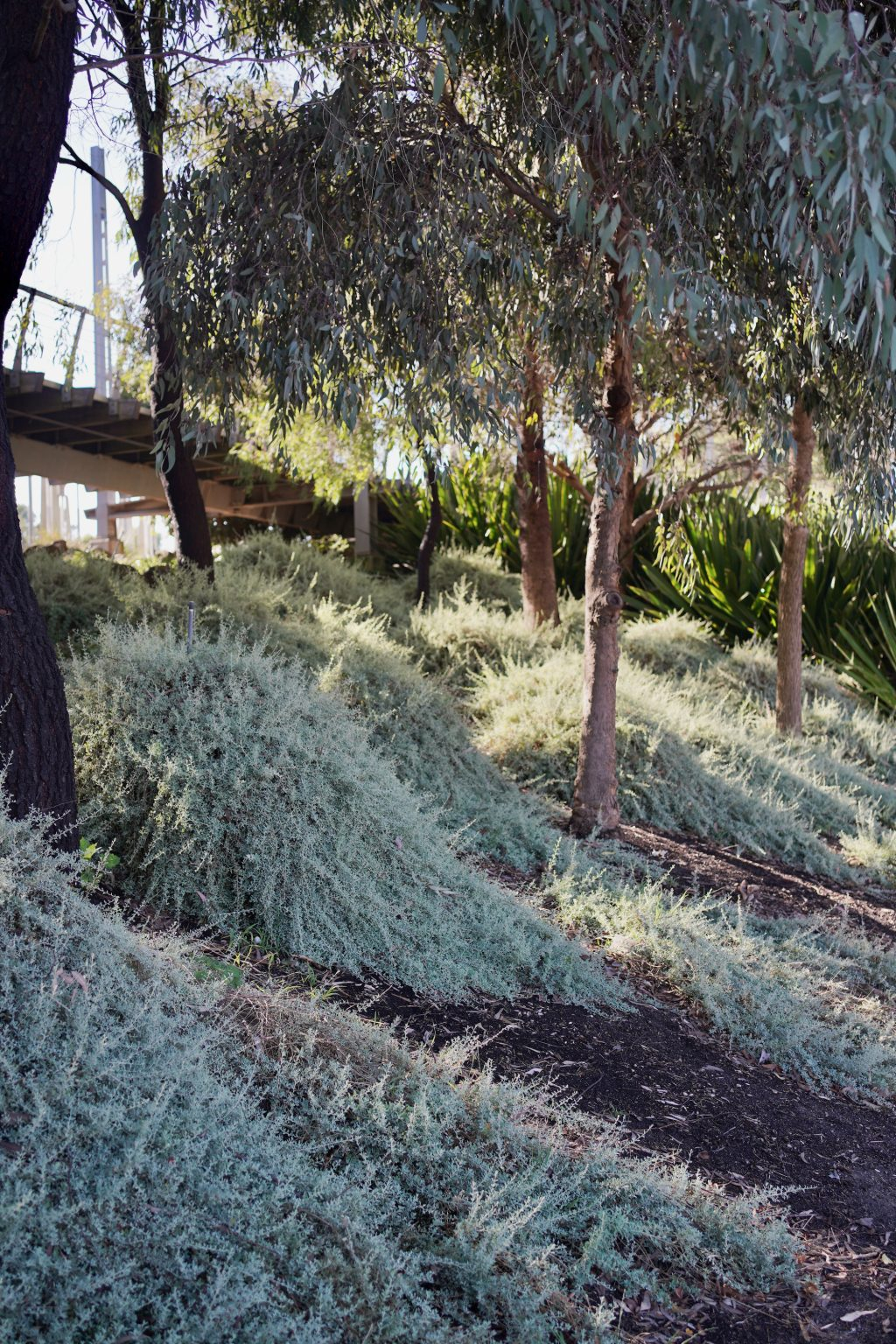
What started off as a ‘Lets identify this Casuarina’ turned into a full blown mission that blew our minds, of course we could have used AI, but where is the fun in that. What we found was the City of Melbourne Urban Forest website where you can find the tree you are looking at and when it was planted. You can even email the tree! These photos were taken a few years ago so needed to remember the general area and cross reference it with google maps and voilà, this is Casuarina cunninghamiana planted outside the ABC building in Melbourne.
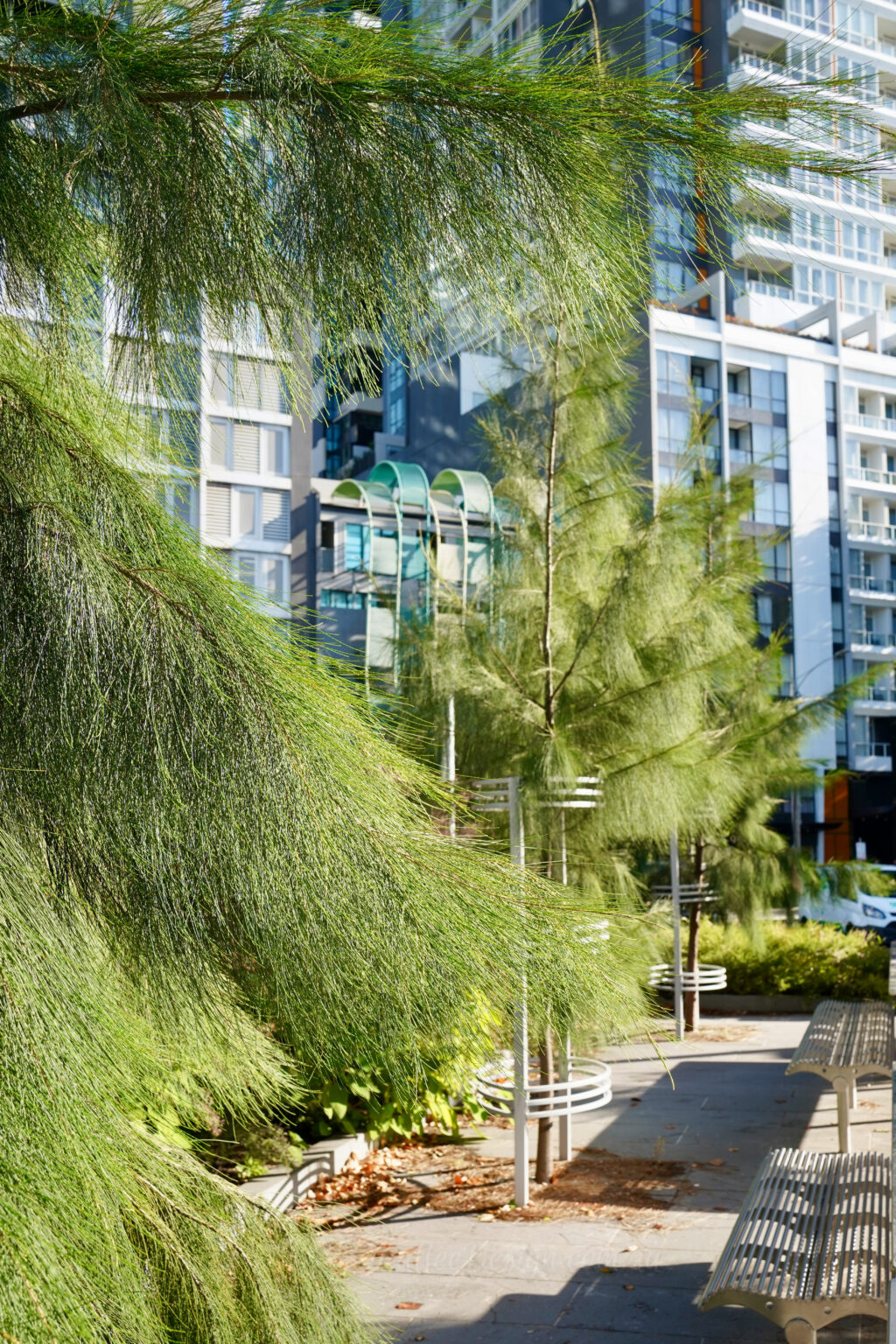
An almost pine-like tree growing to 12-30mts (in Wollongong rarely over 20mts) with slightly weeping branches, it adds a softness to the cityscape and the surrounding hardscape elements. Its common name is River Sheoak, as it is found naturally along freshwater streams, it can also be grown in areas with seasonal dryness. It is a long-lived, fast-growing species with pendulous green stems that act as leaves. It has a dense root system that help stabilise erosion and fixes nitrogen through nodules. This dense root system can be problematic if planted near pipes so position your tree away from them.
It is a hardy species that is drought and frost-tolerant and perfect used as a windbreak.
The pollen is a valuable source of protein for bees, the tree provides useful habitat to native birds, and the seeds are eaten by parrots and finches.
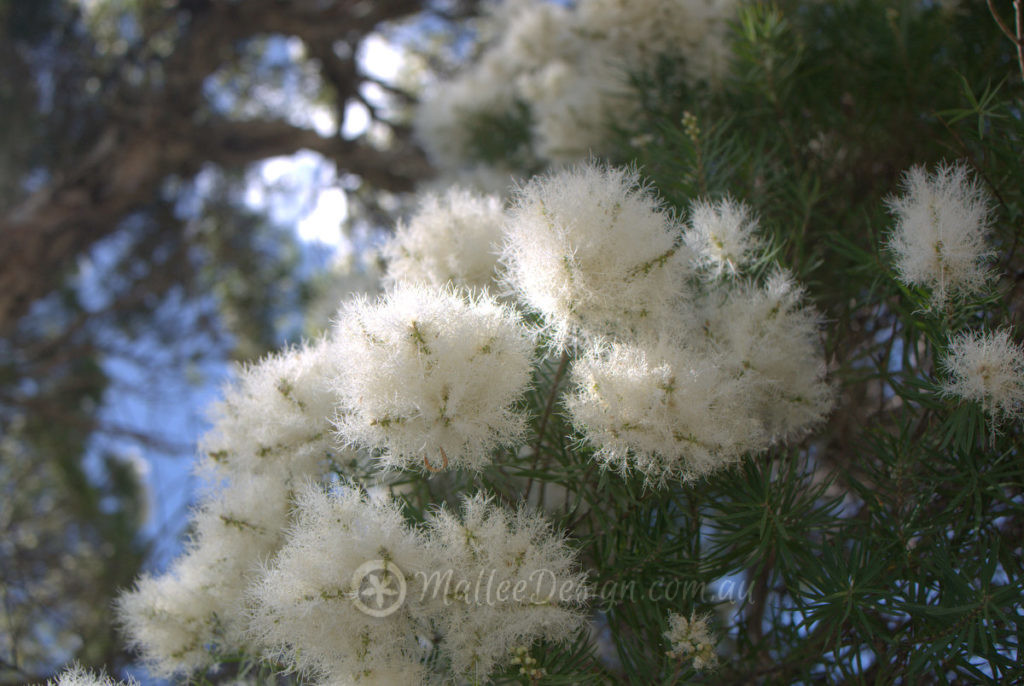
Moving onto the Banksia serrata, or Old Man Banksia, a species that is full of character, from its leathery serrated leaves and cream yellow flowers to its gnarled pods. This plant is classed as a large shrub or small tree to 10mts in height, this one is a slow grower, but worth it!
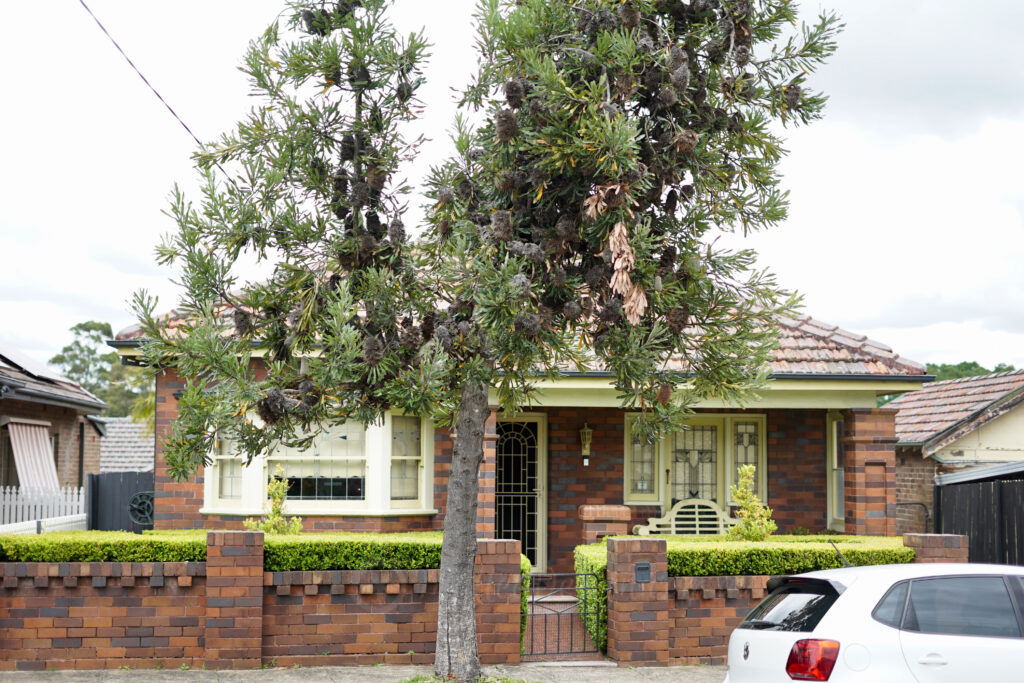
A good plant for attracting nectar loving birds, the yelow tail black cockatoos like feeding on the developing cones. Banksia serrata can withstand salty coastal winds, is drought tolerant and can withstand light frost. It does not like being pruned so as a street tree needs to be planted where it can do its own thing without brutalist pruning from Electrical wire maintenance teams.
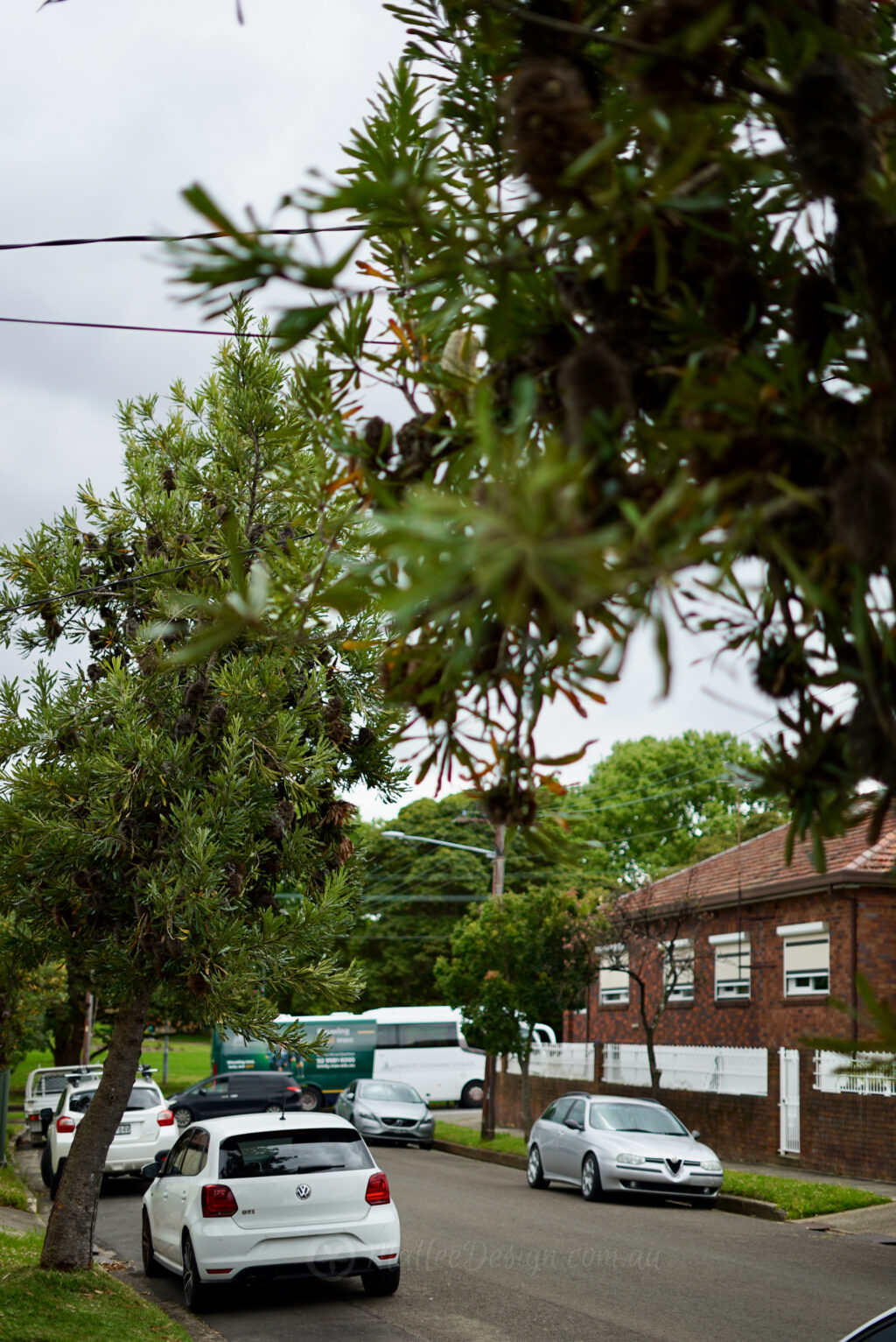
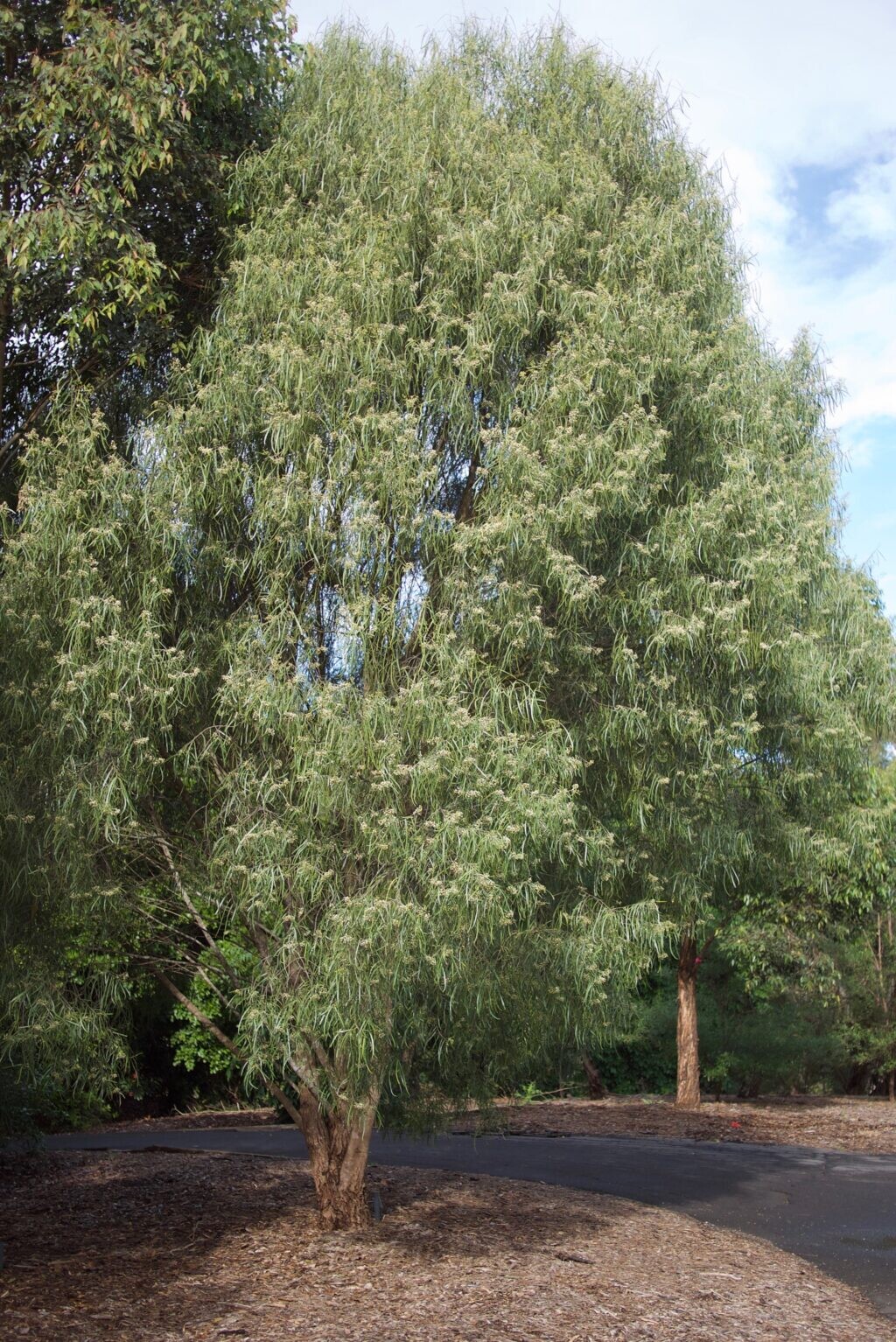
Another fanstatic tall narrow street tree is Podocarpus elatus it slowly grows to 8-12mts in height providing loads of shade for parked cars with its round, dense, spreading canopy. In the photos below you can imagine the tenants of these properties loving the green outlook its provides as well as privacy.
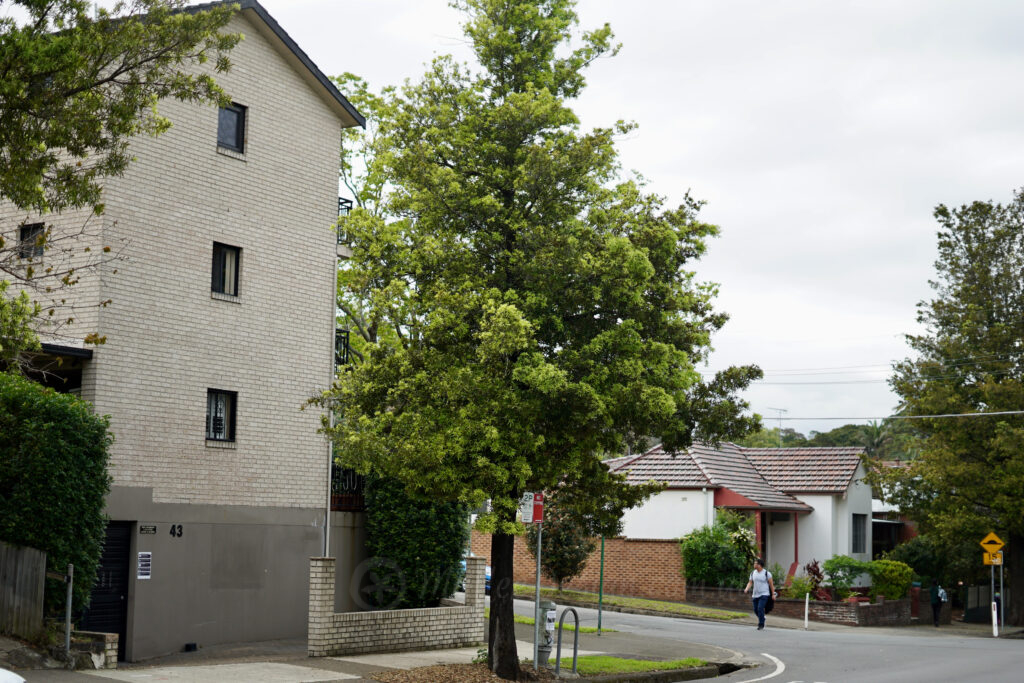
It is drought and salt wind tolerant and attracts birds, bees and pollinating insects. I love the fresh new green growth which adds a highlight to the dense weeping canopy. This species can also be pruned to shape, if you require a small tree start pruning early, it can also be used as a hedging species.
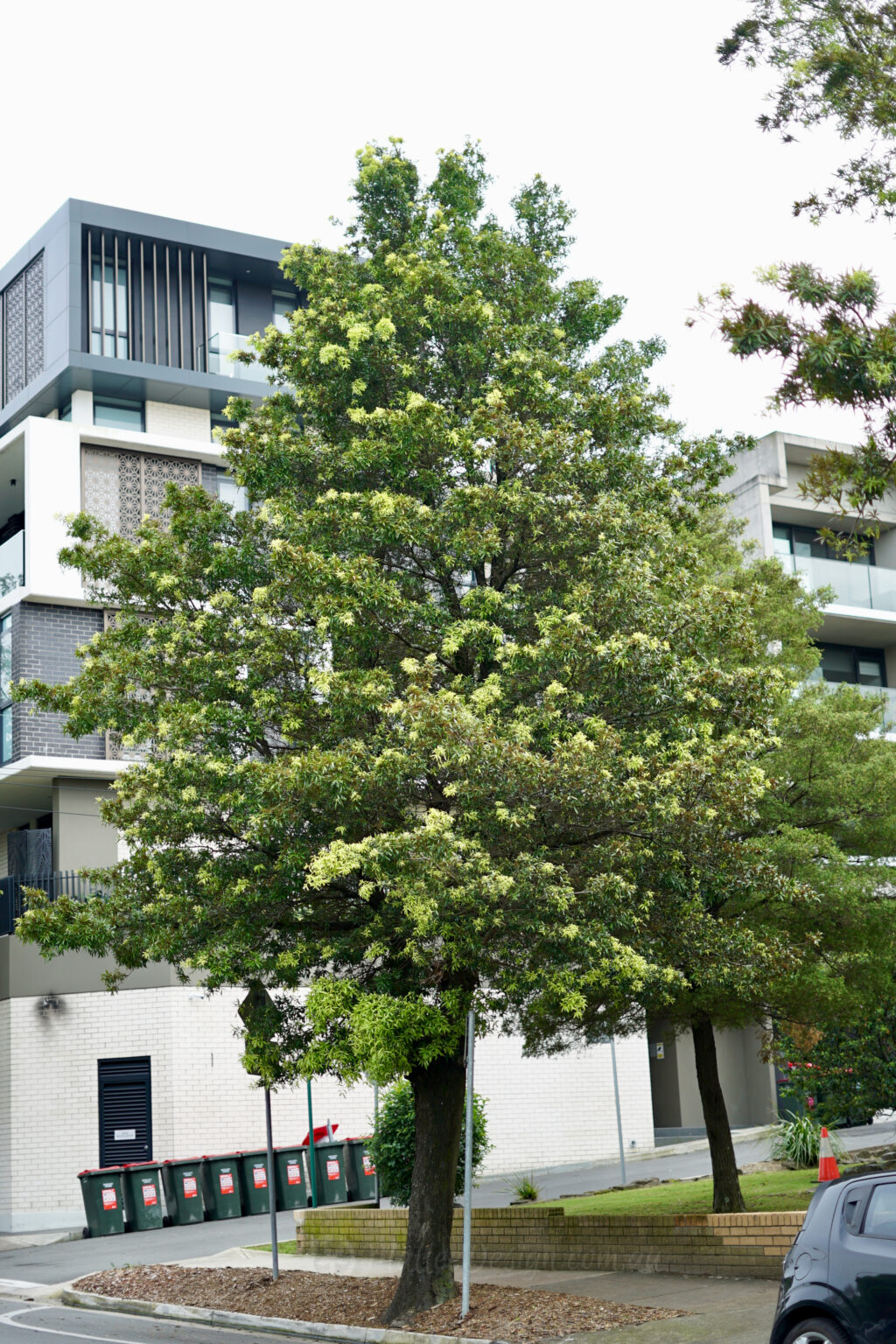
Podacarpus are descended from an ancient Gondwanan-lineage of pre-flowering plants. It does however produce edible fruit ripening to a plum like purple from March to July. This fruit is recognised as Bush Tucker and was esteemed by First Nations and settlers. The fruit can be used in jams, jellies, muffins and cheesecakes.
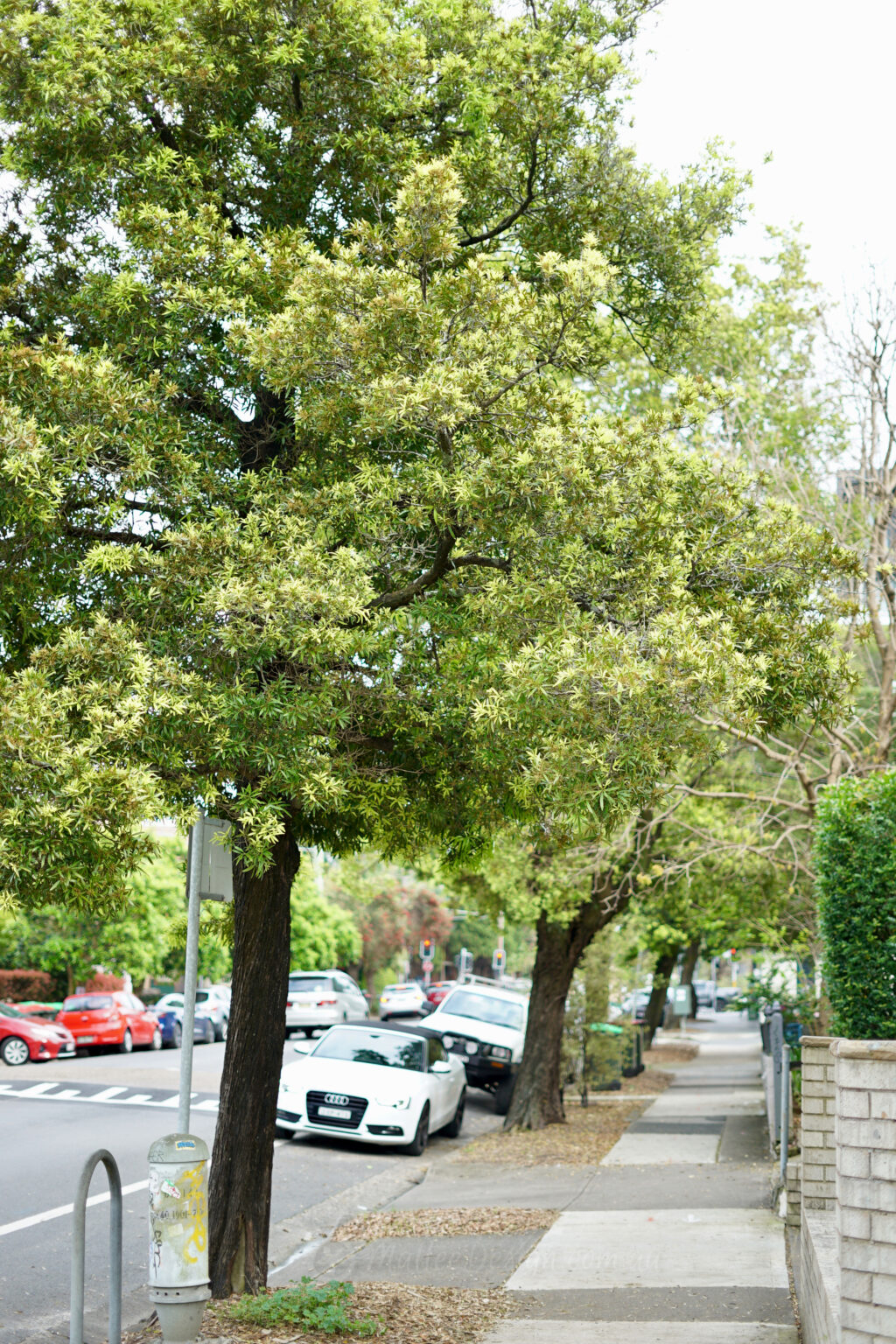
This beauty of a street tree (below) is no longer standing, which makes me want to plant one immediately. It is Elaeocarpus eumundi.
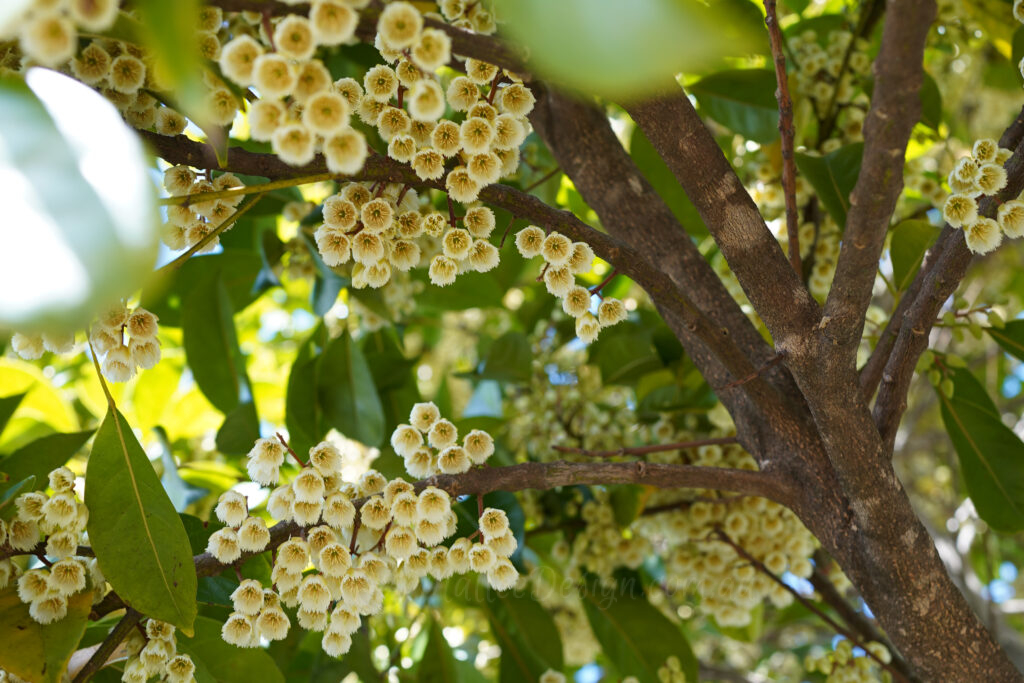
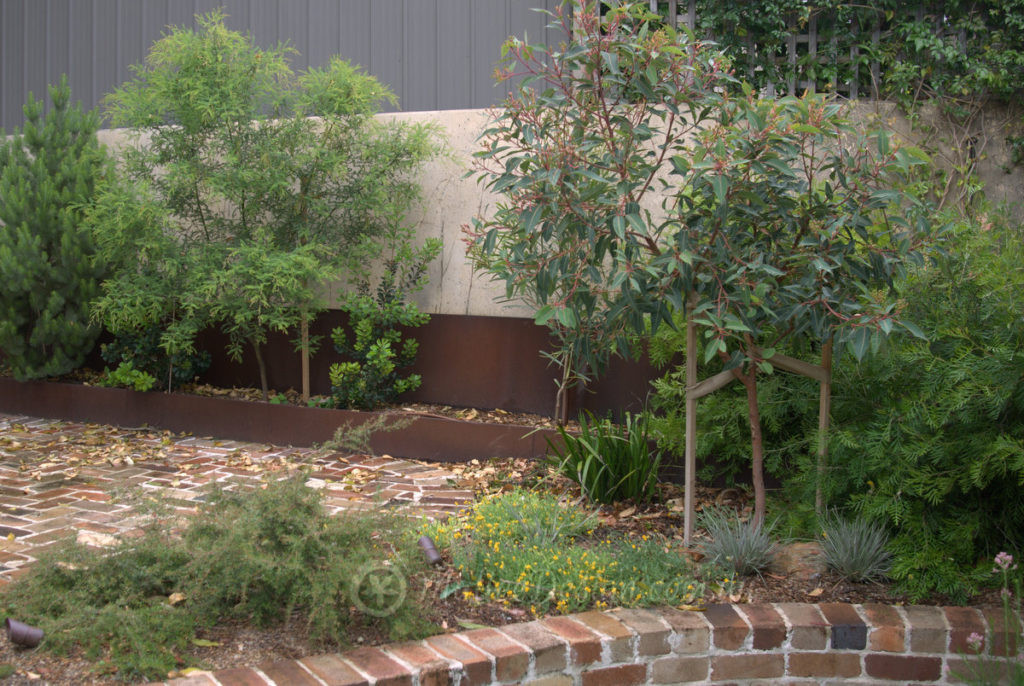
Its dark green leaves, arranged in a fan, provide a lush and evergreen backdrop, as well as shade and reducing urban heat. The new growth is glossy bronze/brownish to coral red new growth adds colour and interest to the street.
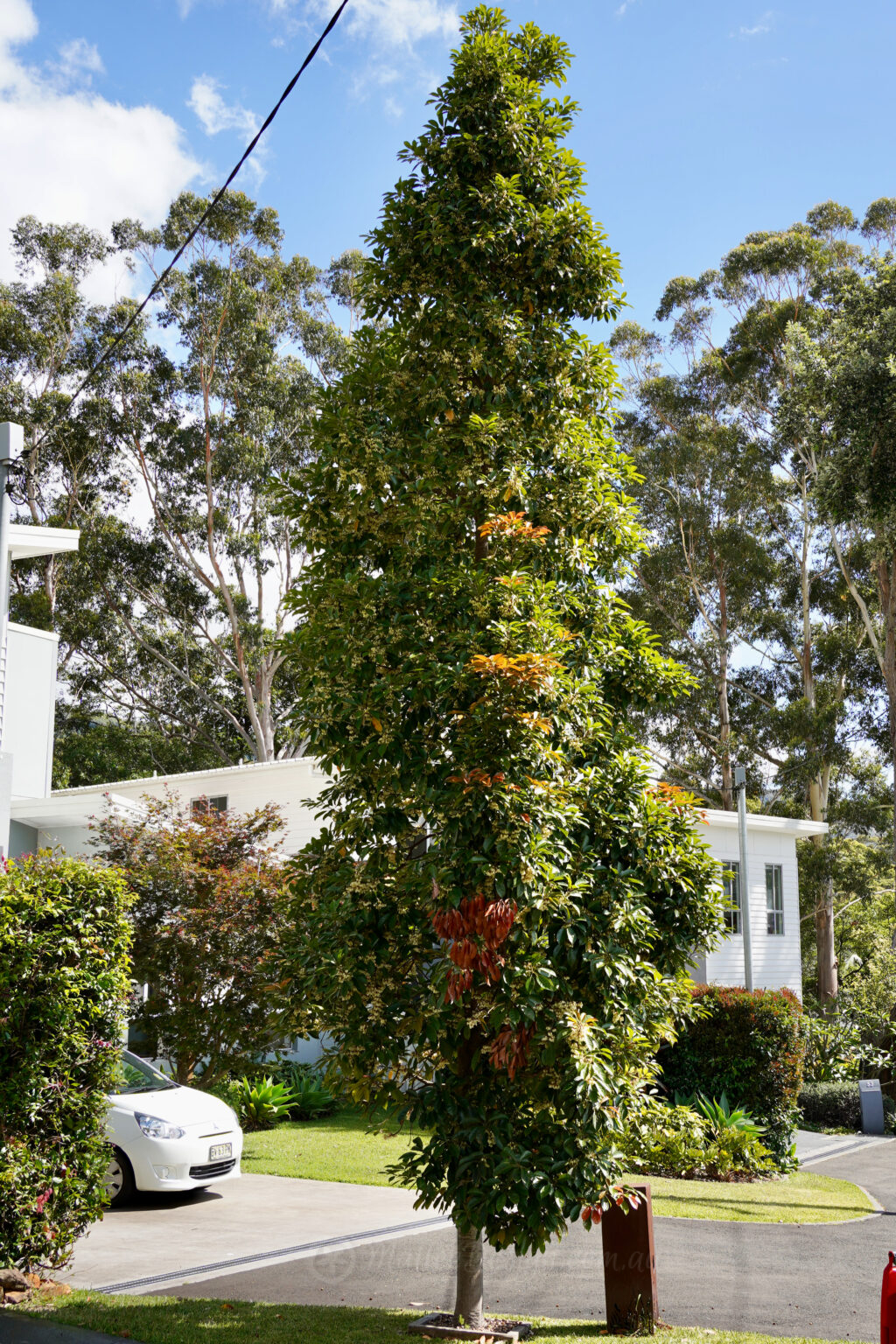
This tree is happy to be hard pruned if necessary, possibly making it suitable as an under power lines species. However it has an attractive natural symmetrical form without pruning. Growing in height from 7-12mts. It works well in difficult narrow spaces and is tolerant of quite heavy shade.
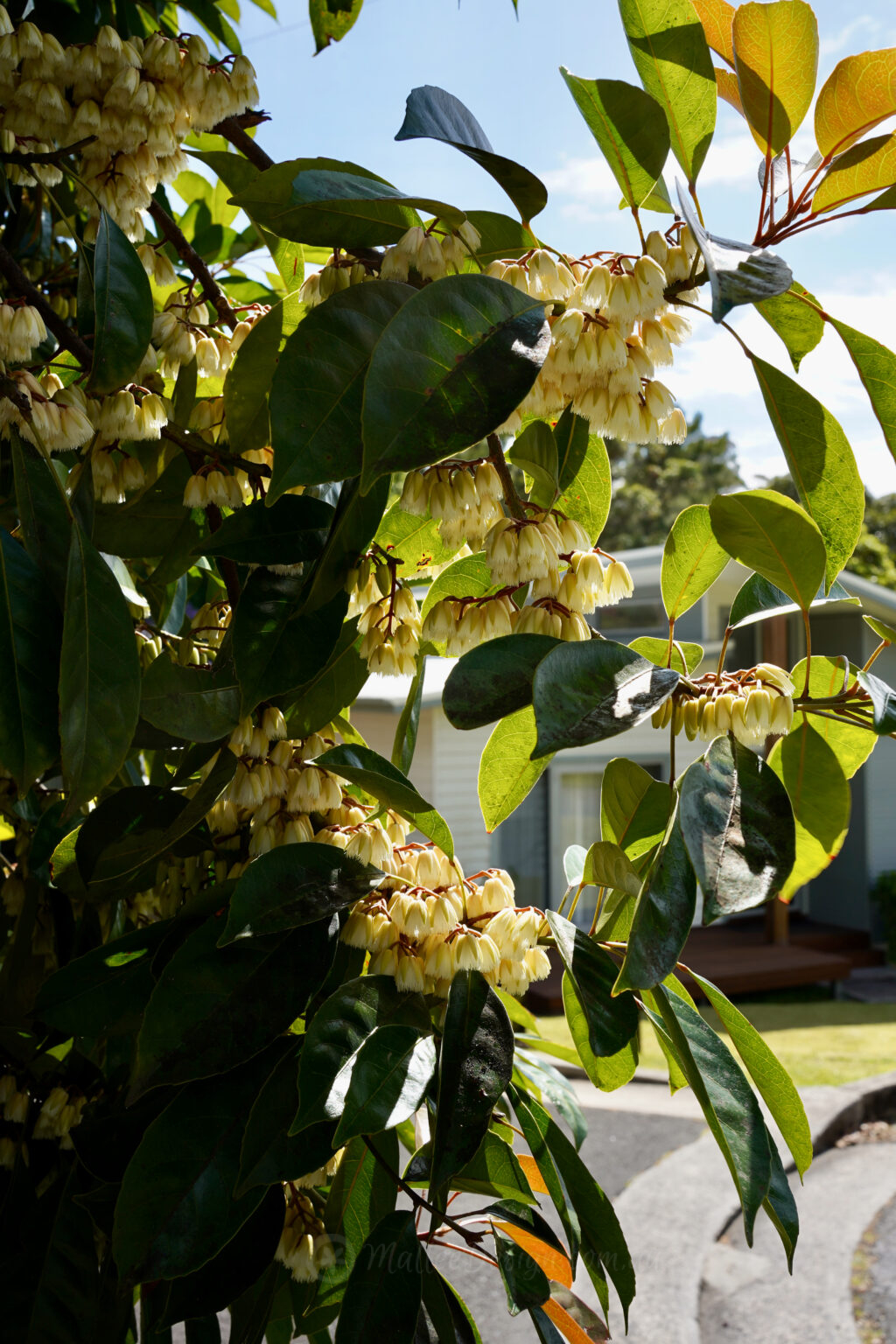
Elaeocarpus eumundi flowers in late spring to early summer with clusters of sweetly scented cream flowers, followed by blue berries that attract fruit eating birds.
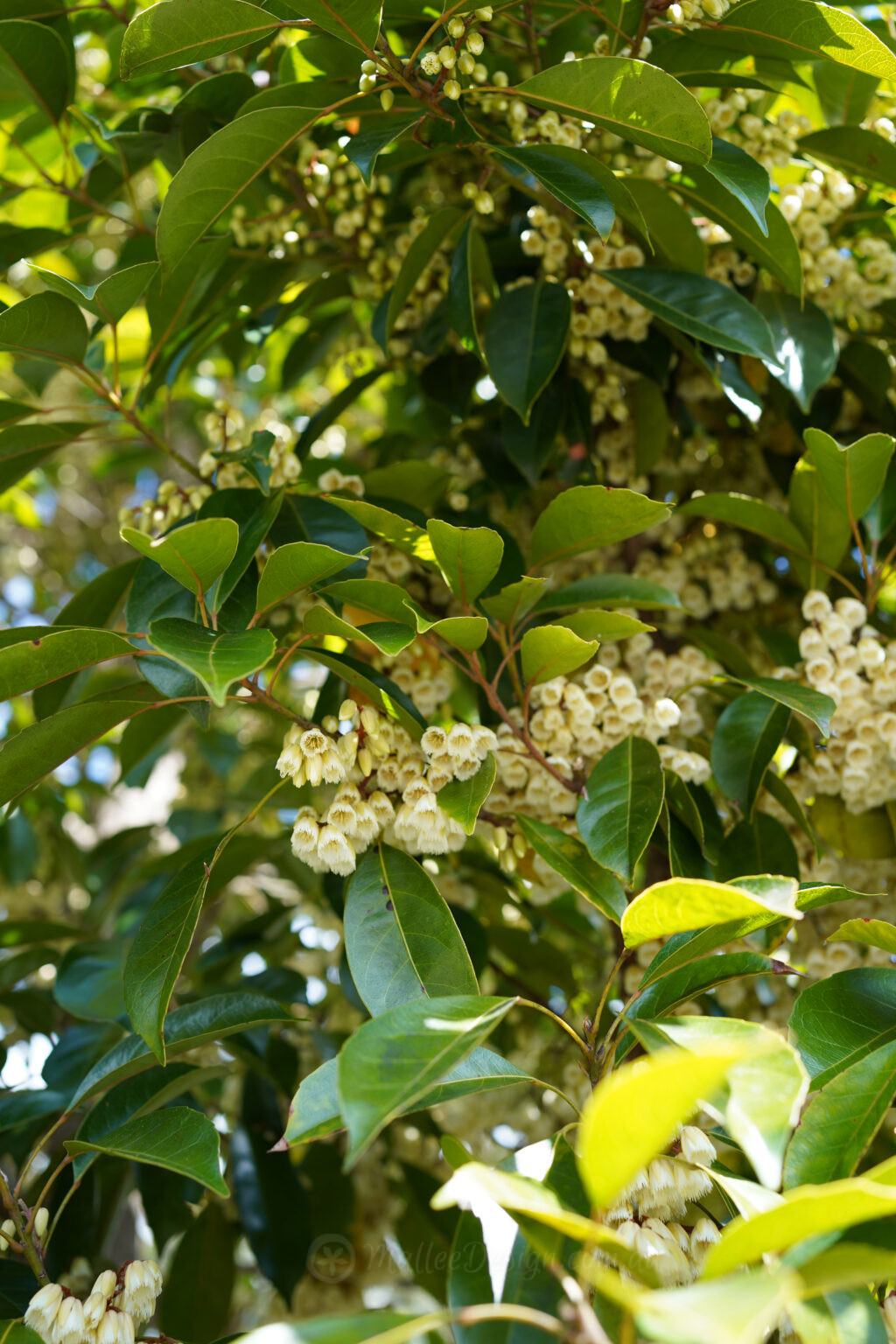
What a beautiful way to provide more shade to our suburbs by planting a native tree. Not only for the benefit of reducing heat but providing green therapy for own mental health, as well as habitat and food for our native birds and insects.
Most councils will provide and plant street trees free of charge. In Wollongong you can ‘Adopt a Tree’ by filling out a form and requesting Council come and plant it. Have a look at your local council website to see what they offer.
Leave a Reply