
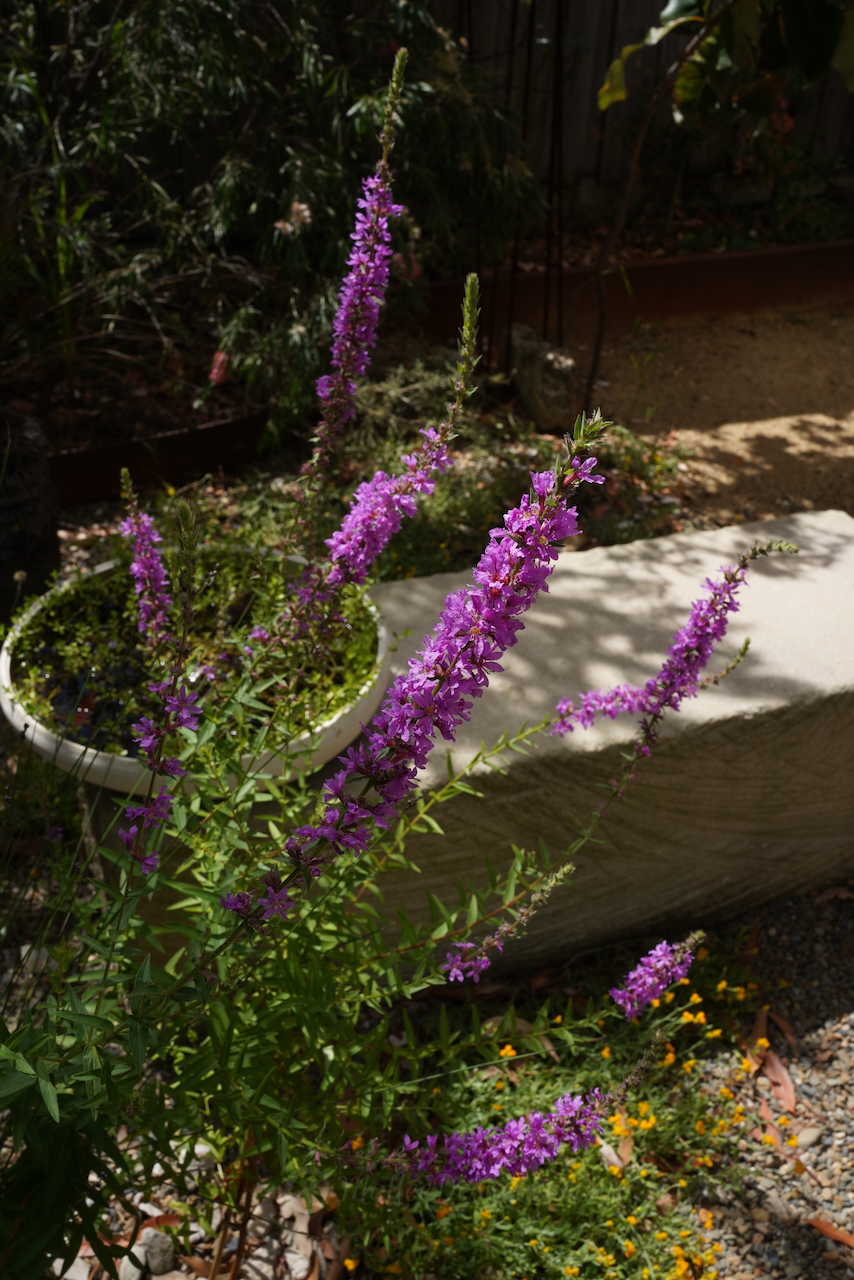
This is a very fun native pond plant growing in my garden, currently flowering for its second summer. It’s called Lythrum salicaria, or Purple Loosestrife, and it’s an extremely satisfying species to grow thanks to its long flowering period and deep pink-purple flower spikes.
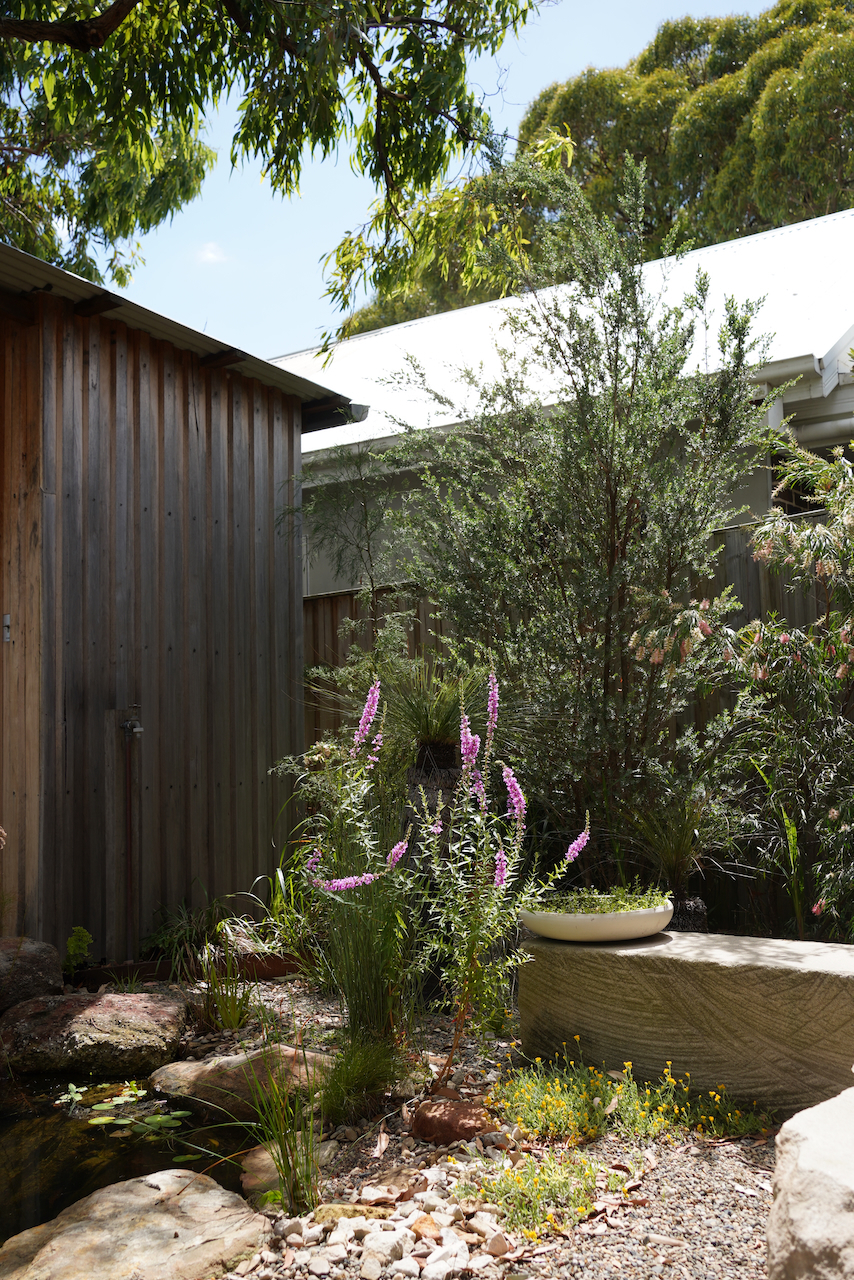
I’m growing it as a pond-edge plant, with its root ball completely submerged in water, where it seems perfectly at home. Traditionally, Purple Loosestrife has been used medicinally to treat conditions such as diarrhoea and dysentery, which adds a little historical relevance to an already interesting plant.
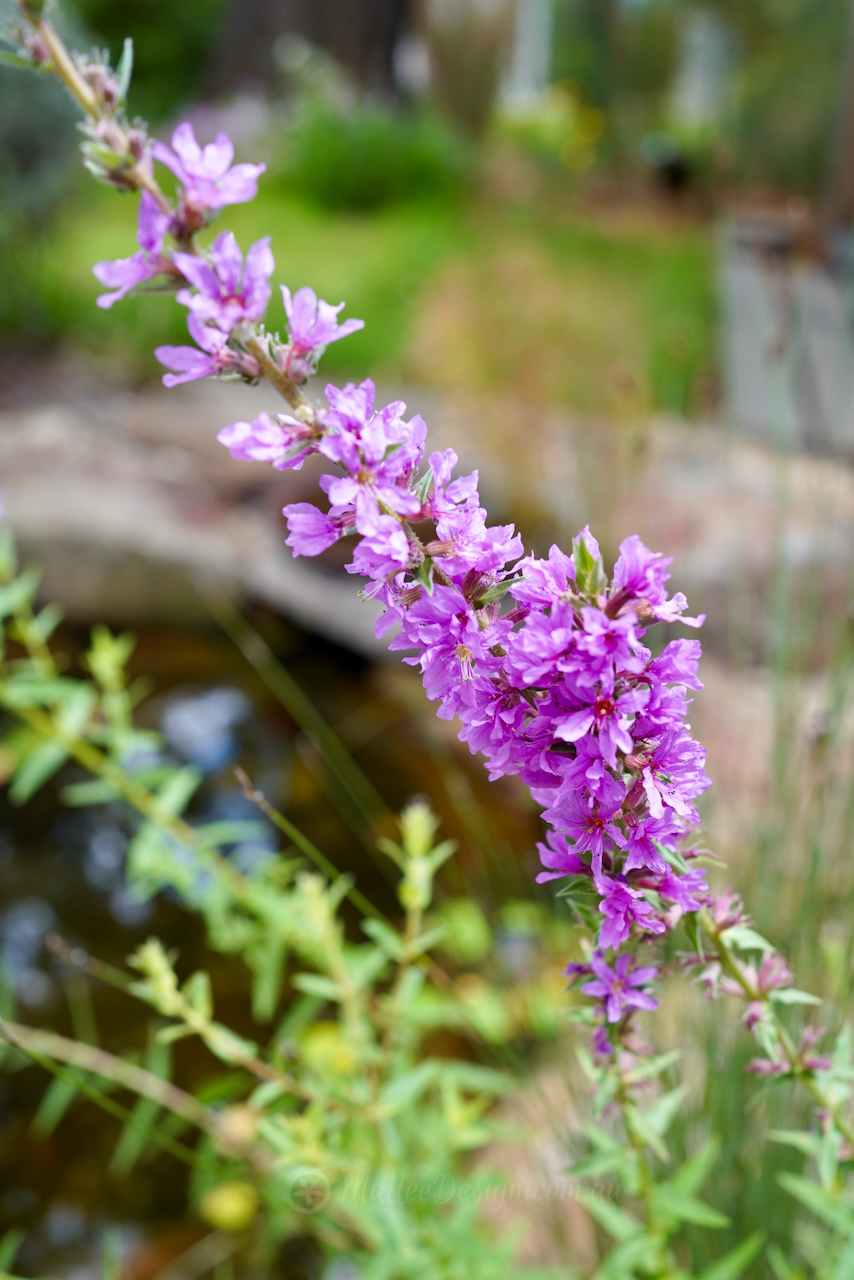
In the wild, this species naturally favours wet conditions like swampy ground and the edges of waterways, but it’s also surprisingly adaptable and will persist in drier soils once established. It’s a long-lived plant both in cultivation and in nature, flowering best in full sun but still performing well in part shade.
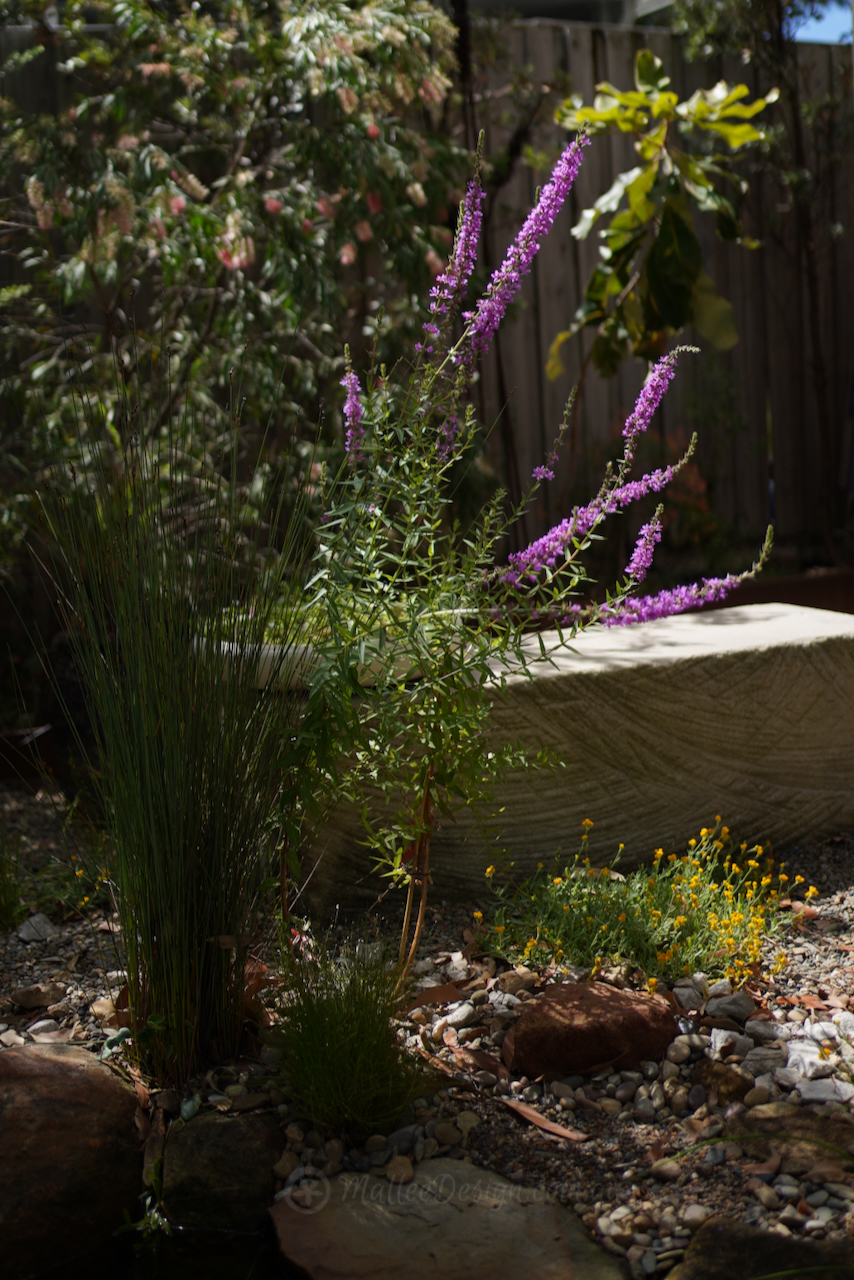
After its summer display, the tall flower spikes die back and can be cut to ground level to encourage fresh, vigorous growth the following season. Extremely hardy and frost tolerant, this striking plant can reach heights of up to 2 metres, making a bold statement in the garden. It naturally occurs in wetter regions of SA, VIC, NSW and QLD, as well as across Asia and Europe, where it adds colour and vitality to the edges of waterways.
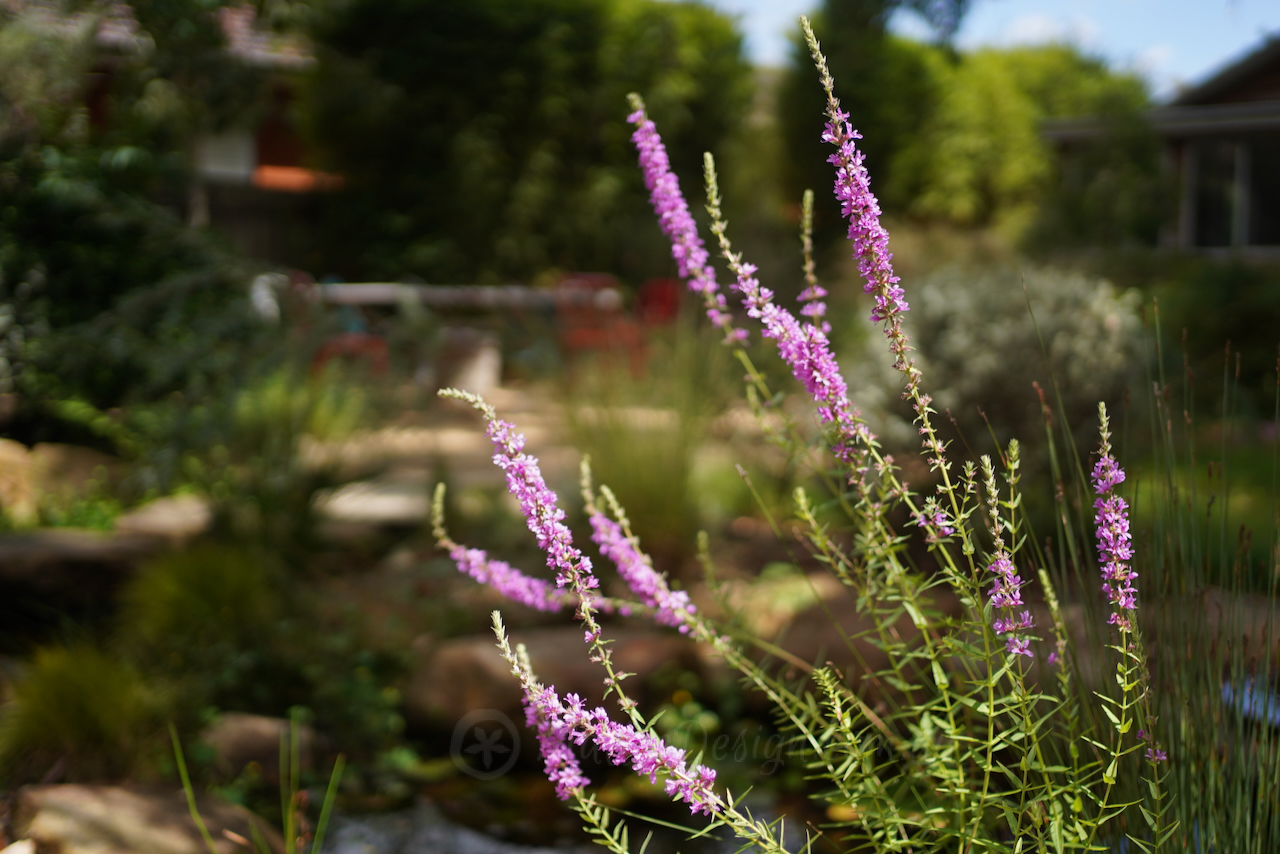
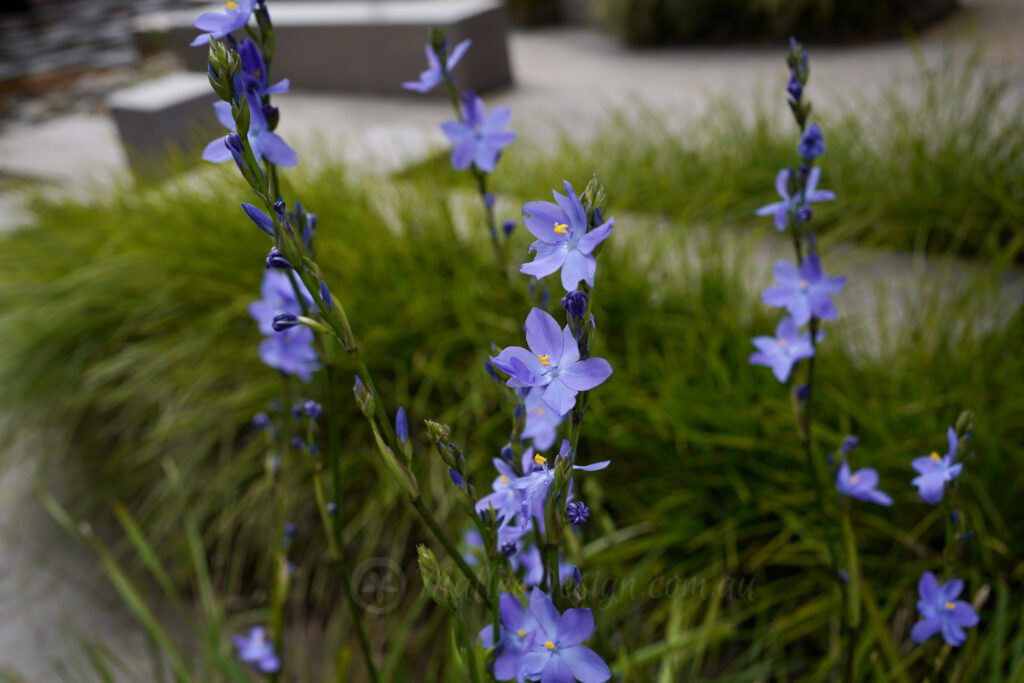
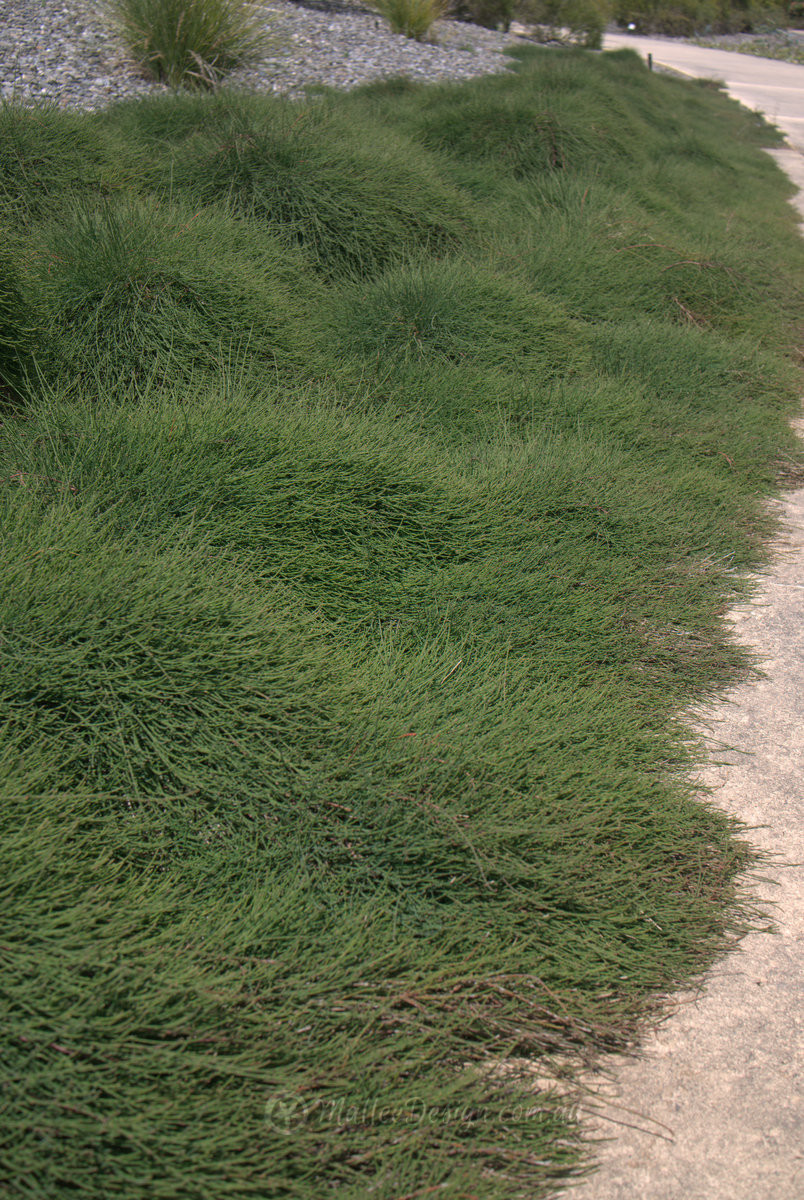
I like to combine this bog loving species with fine leaved reeds and rushes where it can pop up and steal the show during the Warmer months and then is not so structuraly missed when it is dormant.
Leave a Reply to Elisa Cancel reply