

This ancient flowering plant has a fossil record of 120 million years, it’s primitive flowers are a legacy from Gondwana. Isn’t that mind blowing!?
The perfumed, glossy green tree with edible fruits is the perfect addition to a bush food garden. My Mum’s Eupomatia laurina is flowering and this is the first time we have observed it. I thought this was the perfect opportunity to photograph it again, as I have never seen one in flower before.
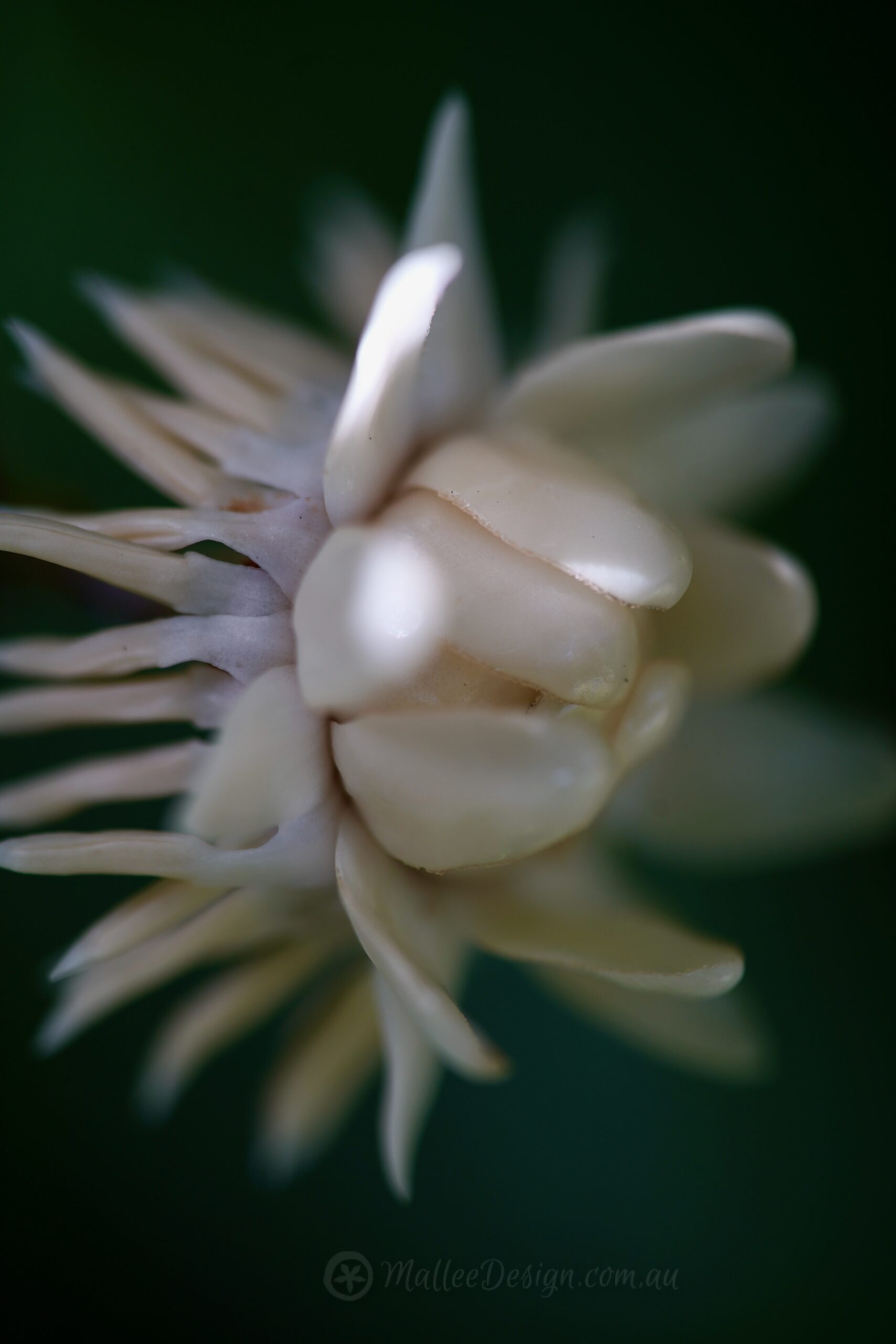
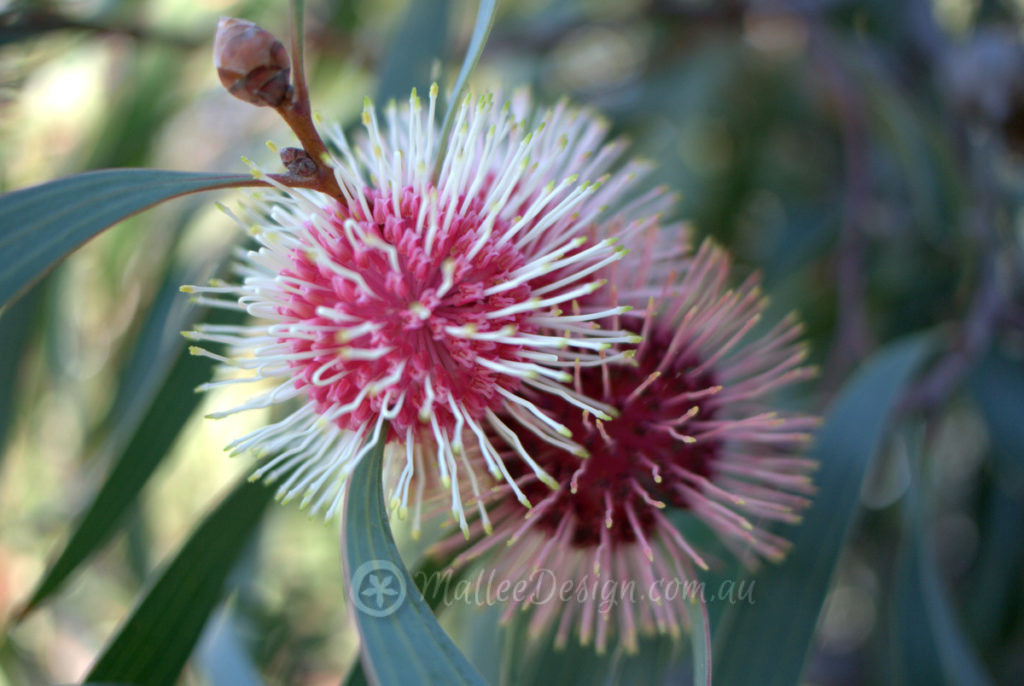
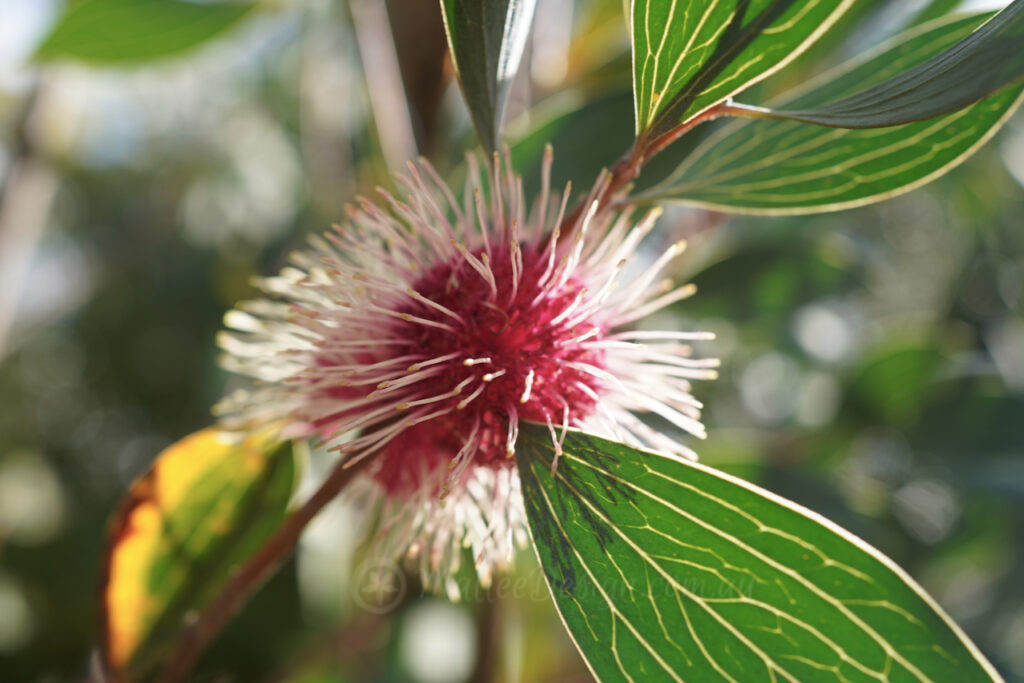
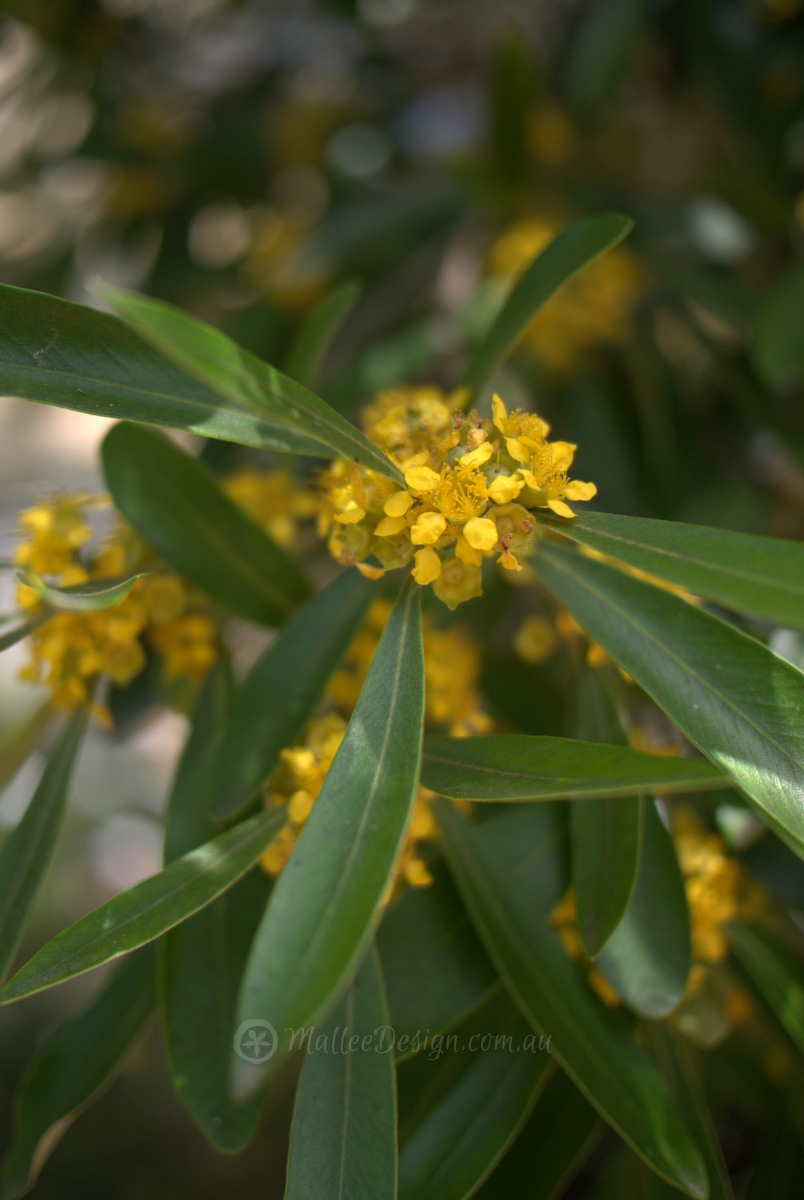
The flowers are very pretty and sit along the branches in a n opposite arrangement.
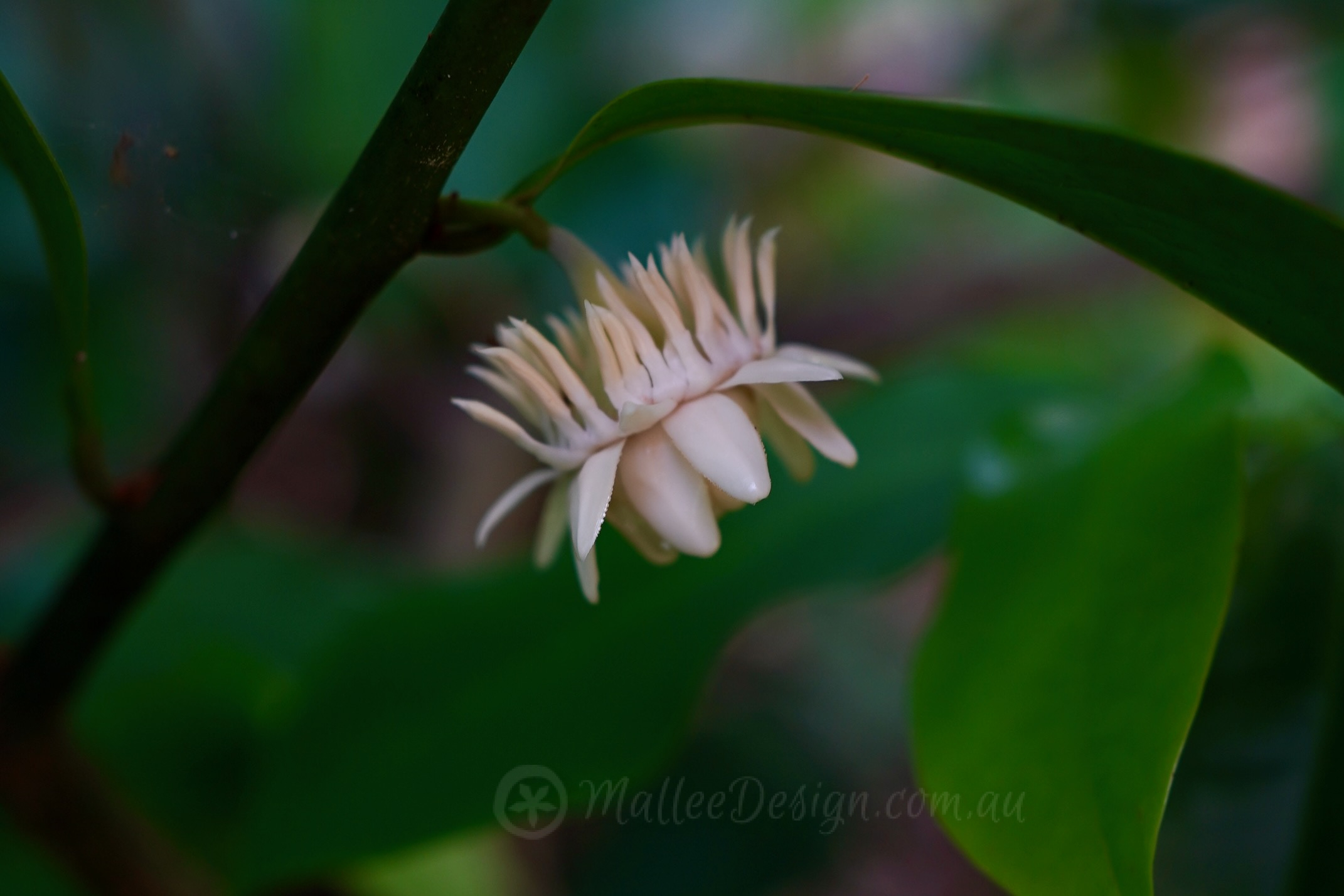
The most surprising thing about these flowers is their scent, it is quite strong and pungent, and someone told me the other day it is thier favourite flower perfume.
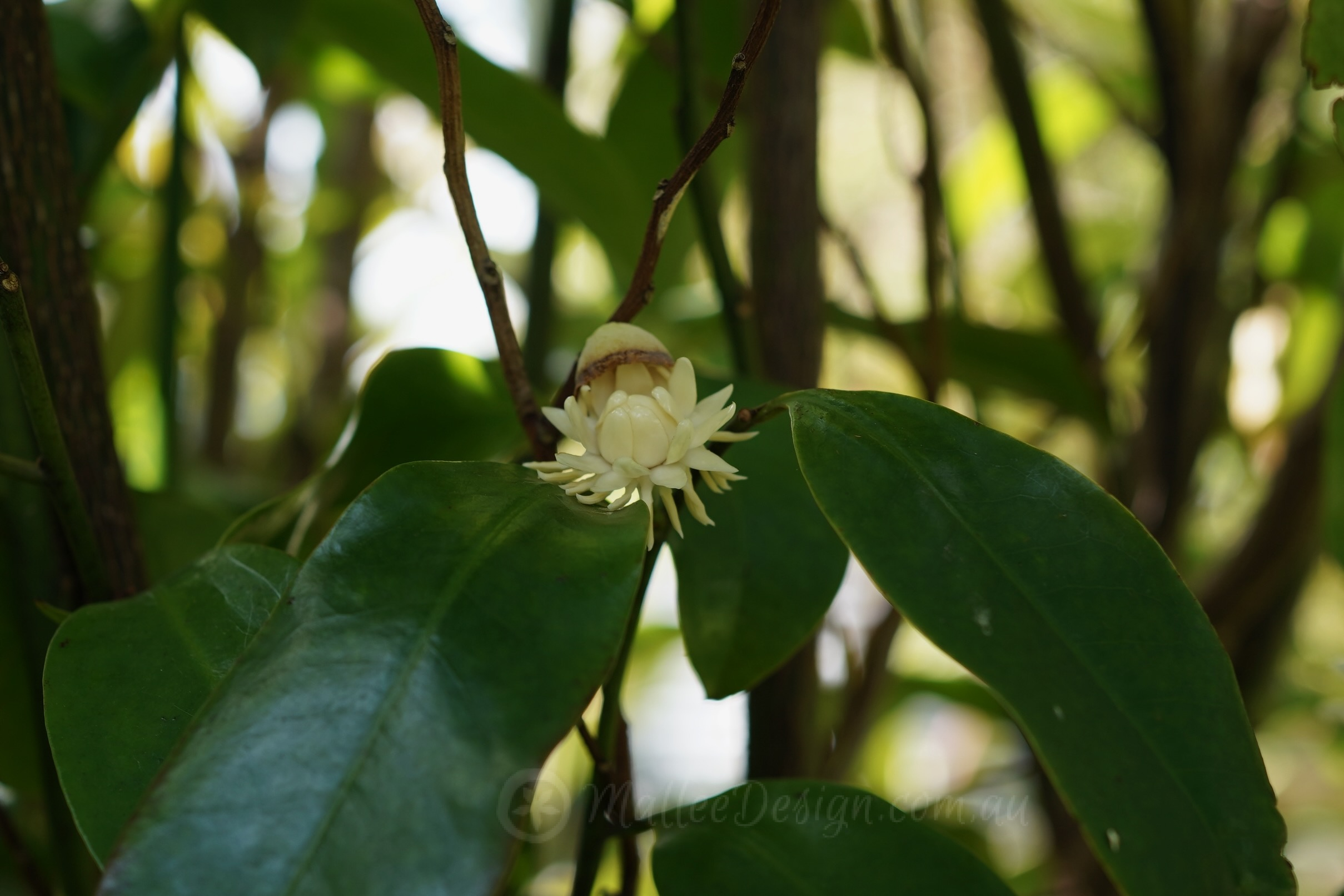
The pretty waxy flowers remind me of sea anemones and are aparently only open for 1 day. They are considered a very primitive flower, meaning they have no petals with just a ring of stamens surrounding the creamy petal-like sterile stamens, huh, who would’ve thought?
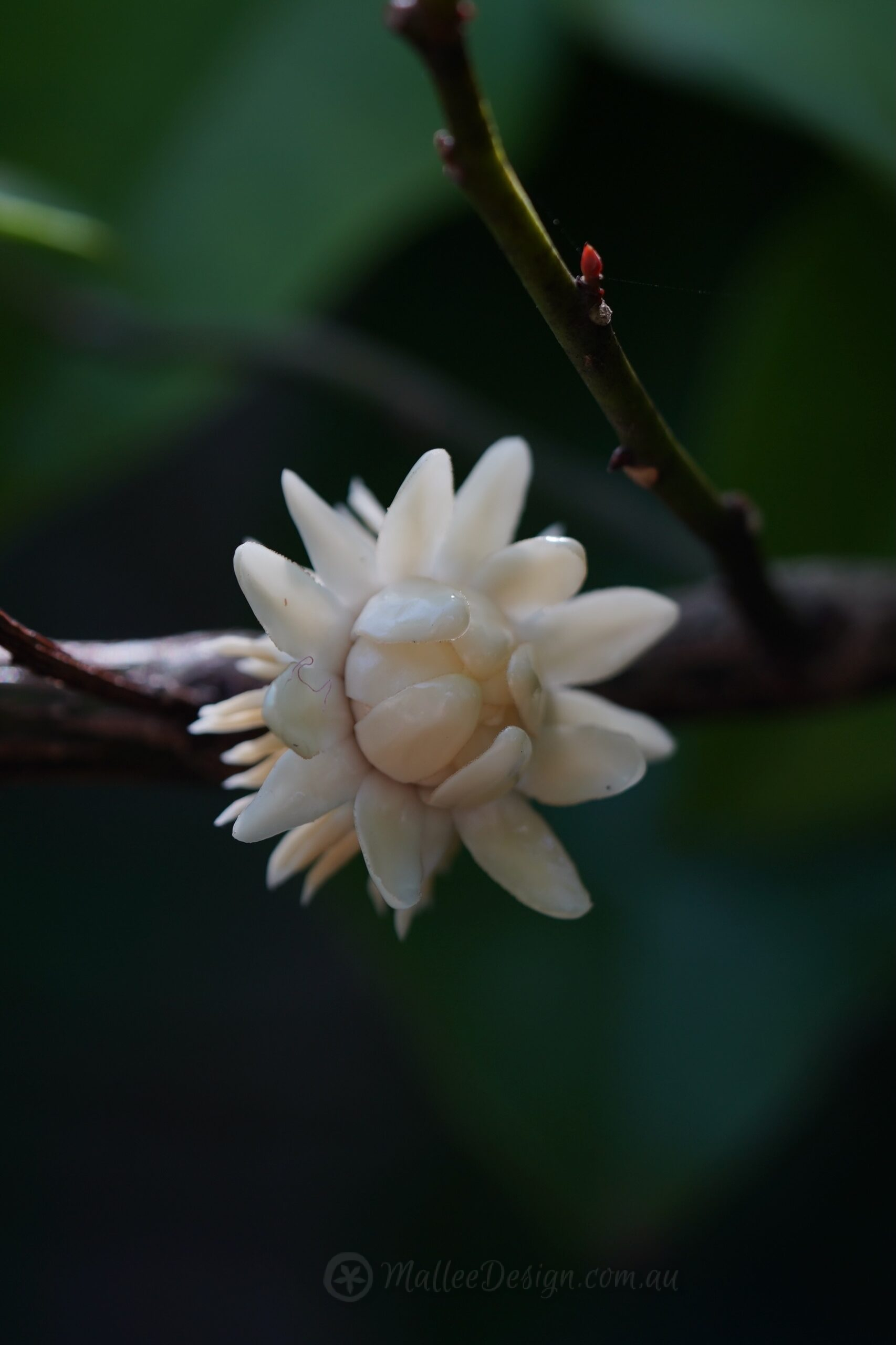
I originally planted this large shrub/small tree to provide fence screening underneath the canopy of a Lilly Pilly and Eucalyptus, meaning for much of its life it has been growing in a dry shade position.
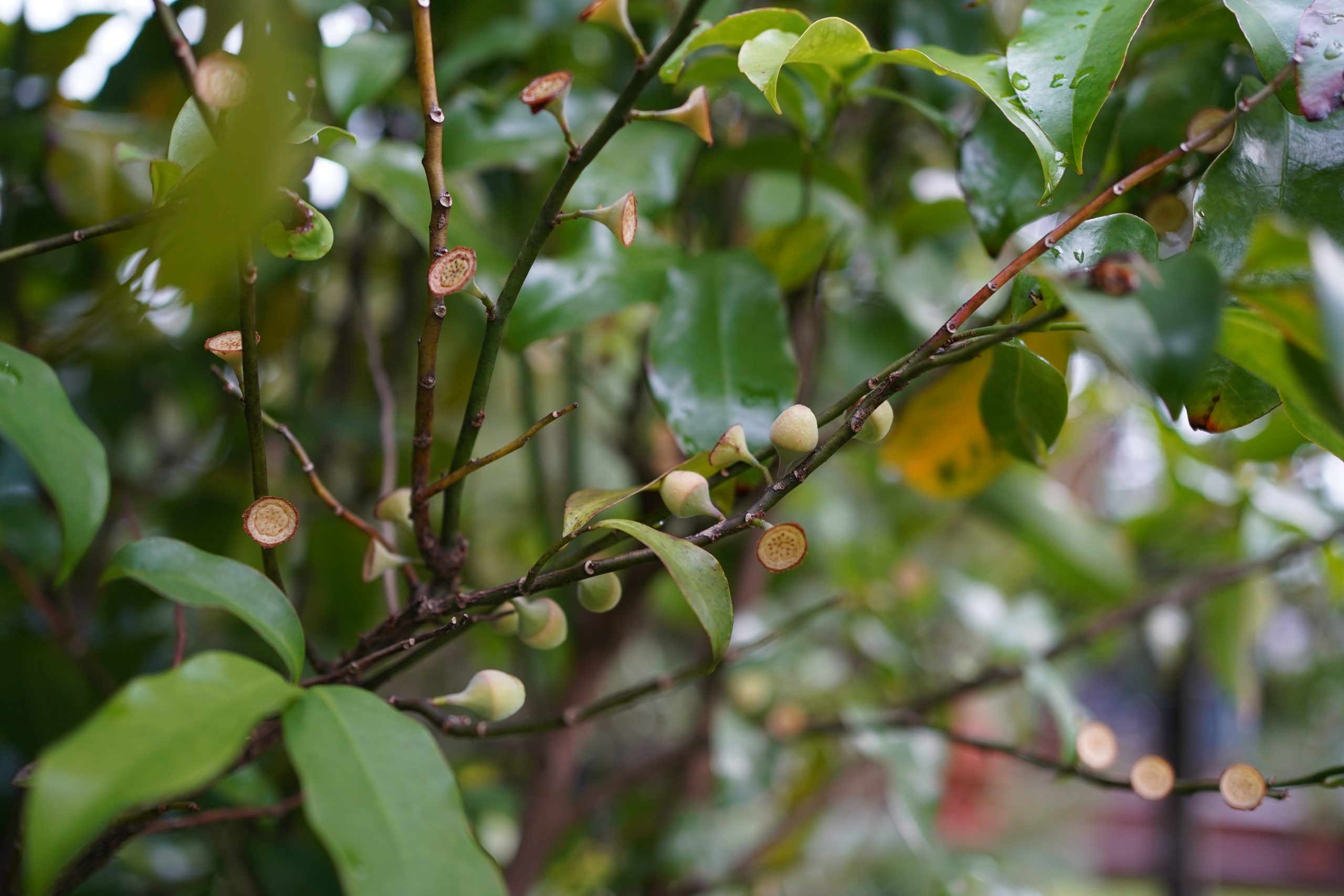
The cream flowers have a strong fragrance to attract pollinators, which for this plant is a beetle (small brown weevil). After pollination the fused flower structures fall away as single units, carrying the pollinators eggs to the ground, the adults will emerge from the soil once grown. Sadly the last week of rain has helped with the falling of all the flowers and I got there too late to take pics of them on the plant. There’s always next season.
The flowers appear all along the stems, each flower will only last one day. The flowers are inside pods that pop open almost like the flowers of a Eucalypt.
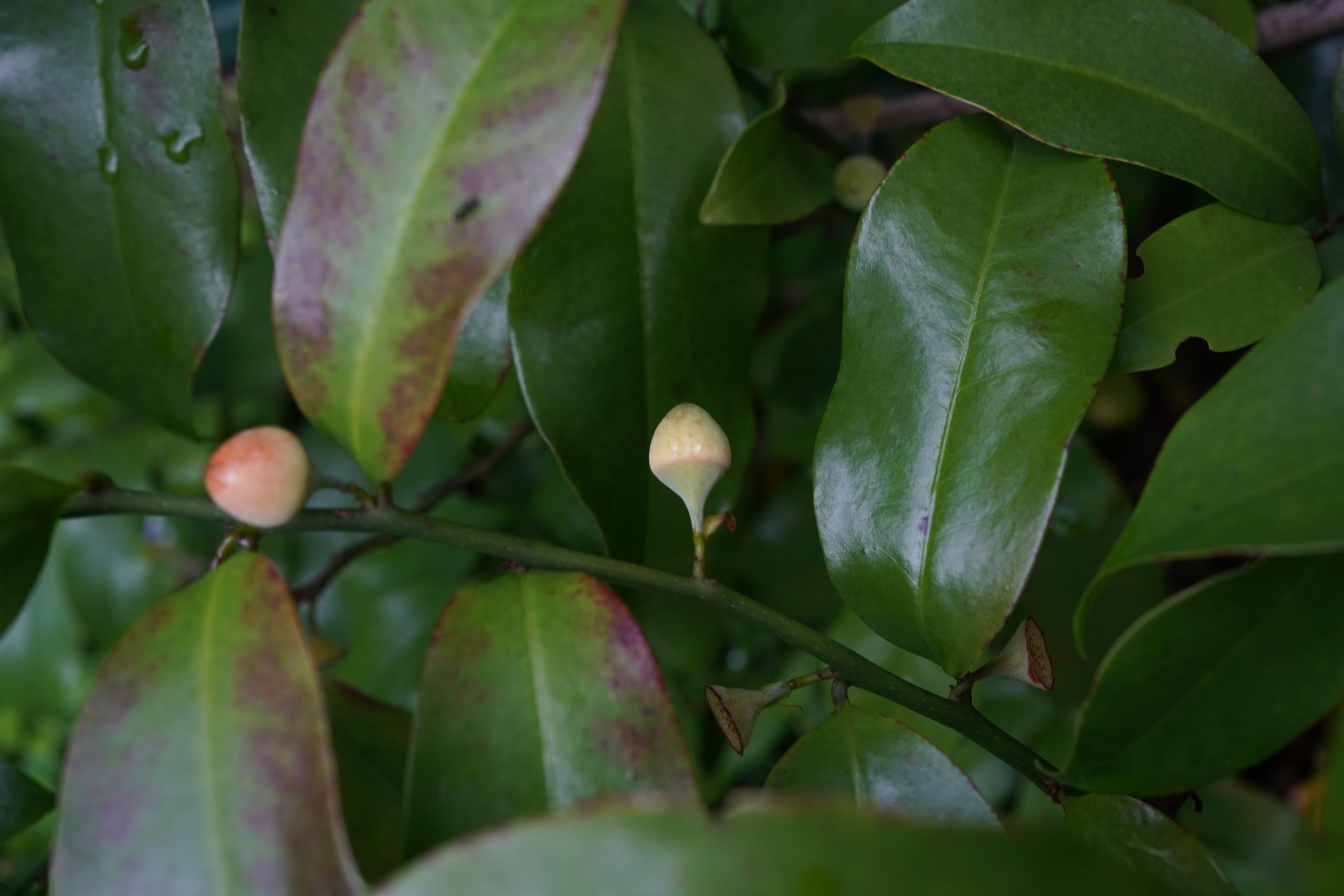
Eupomatia laurina is known by its Aboriginal name of Bolwarra. The bark was used by First Nations people to make fishing lines. Common names for this large bush/small tree are Native Guava, Scented Laurel or Copper Laurel.
The fruit resemble rosehips and are edible in small quantities, appearing as an urn shape berry after flowering. They ripen in Winter changing from green to brown and are ready when soft to touch. Like a guava the fruit contains many seeds with white pulp. It can be eaten raw, added into jam and jellies or dried and added as a spice to cooking.
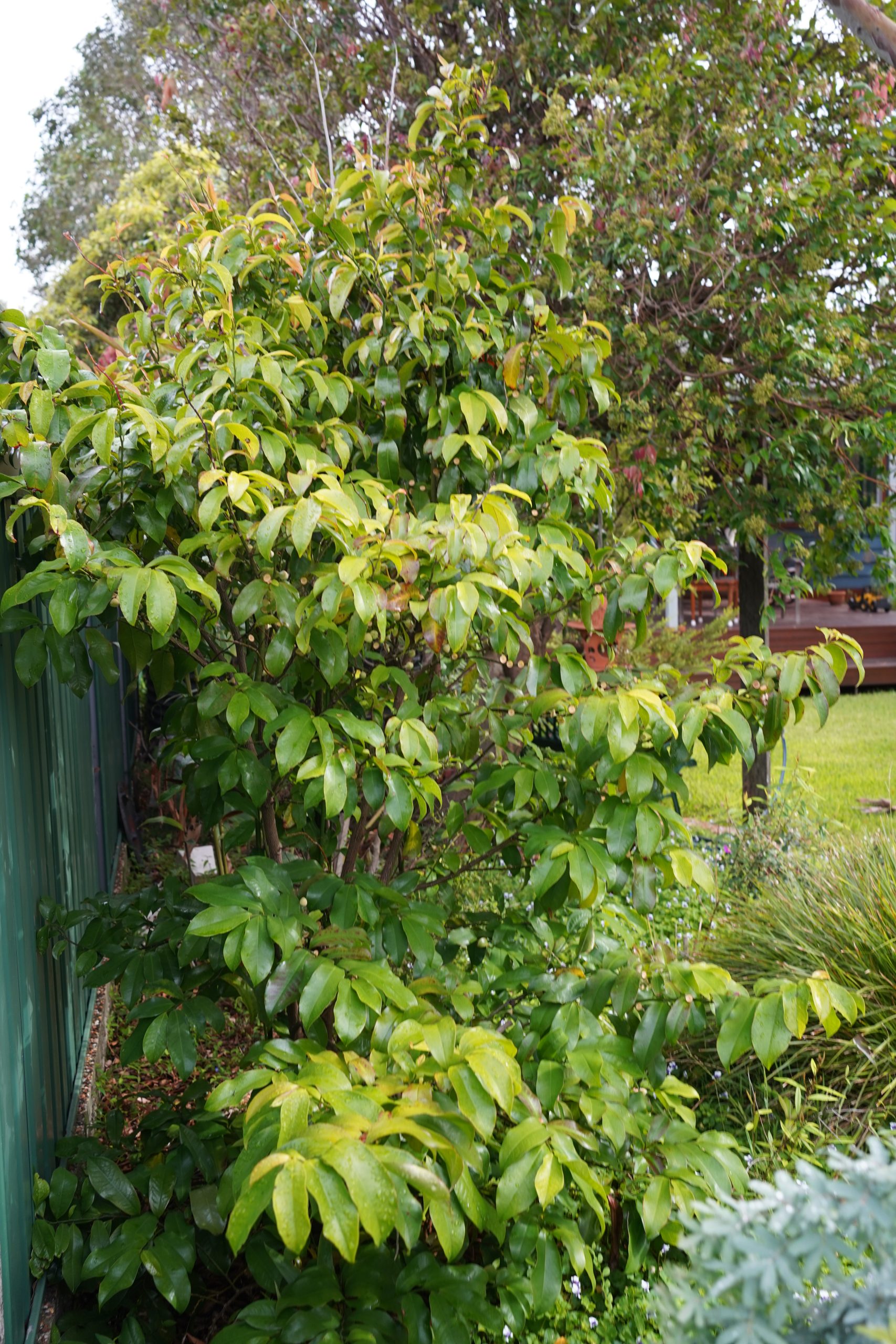
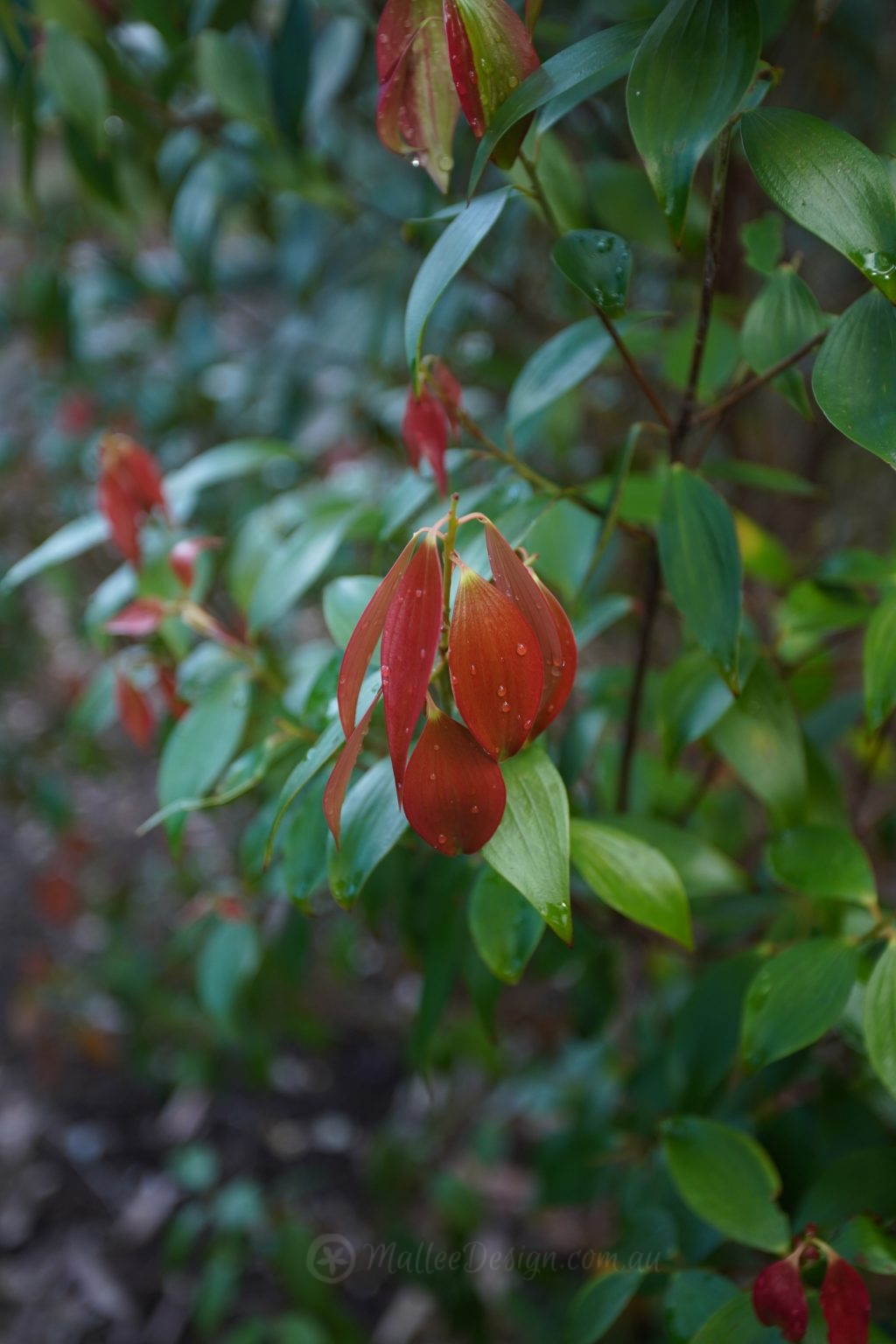
With its glossy bright green leaves, up to 12cm, during warmer weather, it requires pruning to encourage branching and to strengthen limbs, grows to 4-6m tall and 3m wide. Leaves turn a red copper colour in cooler weather (one of its common names being Copper Laurel).
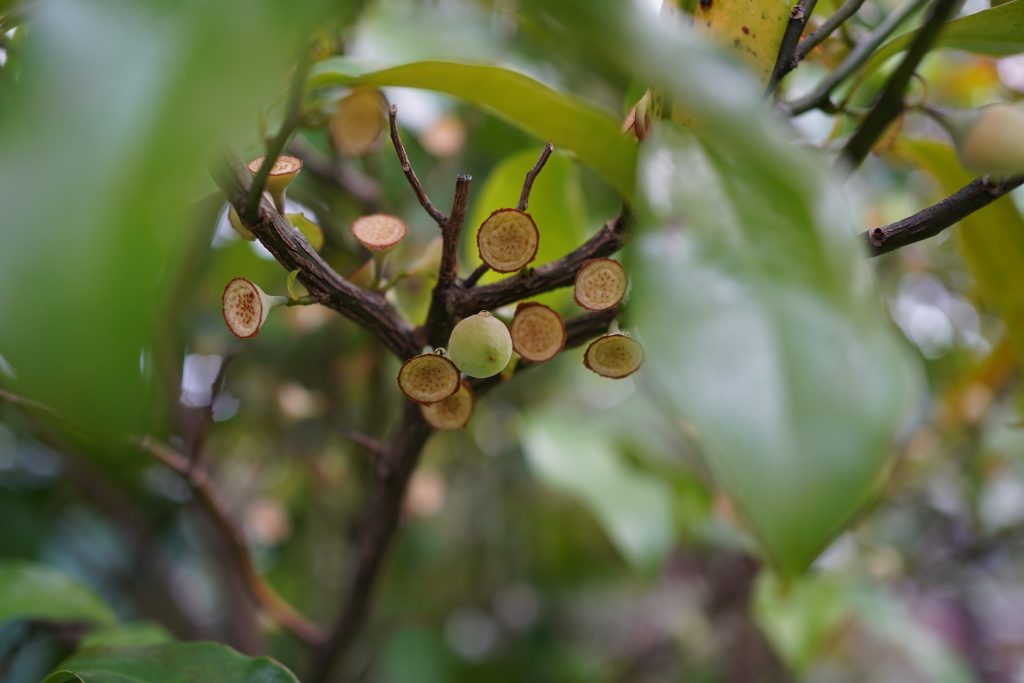
Being a rainforest tree it can be grown in the shade and is also suitable as an indoor plant. Grown in a pot will restrict its size. To keep this plant happy mulch around base and water well in dry periods. It grows naturally in eastern Australia and New Guinea.
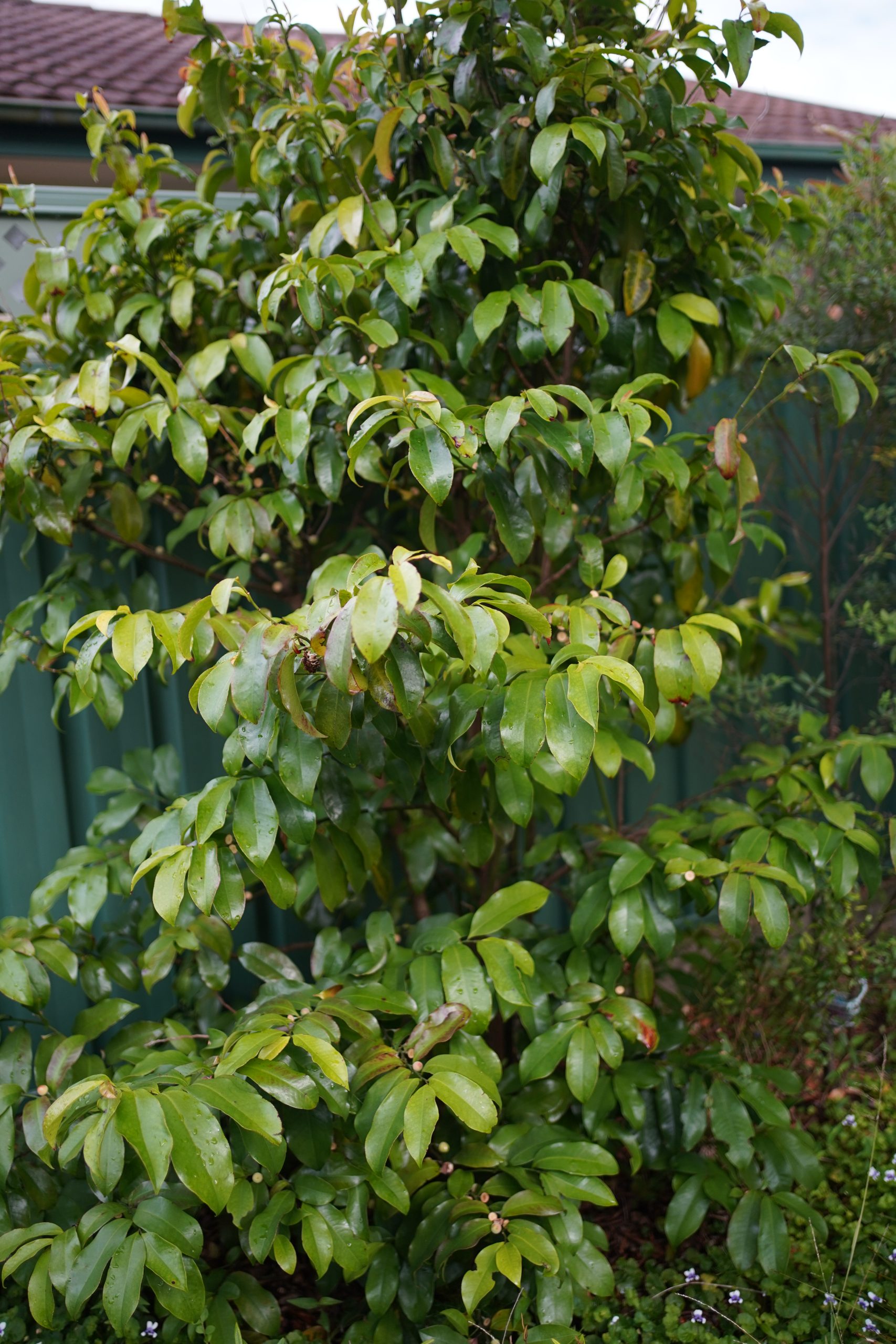
Being a custodian to one of these ancient plants, attracting birds, bees and insects into your garden with its scent, it may offer you more rewards than you can offer to it.
Written by Jo McLuskey & Kath Gadd
Leave a Reply